Retail & Consumer Goods Freight Requirements
Every retailer publishes its own routing guide. These are the fields that decide whether the load is received, refused or fined.
Specifications
Retail Receiving Requirements at a Glance
Every retailer publishes its own routing guide. These are the fields that decide whether the load is received, refused or fined.
| Requirement | The specification | What it means for the load |
|---|---|---|
| Delivery window | A must arrive by date plus a booked appointment at a named DC door, with early arrival scored as a failure at many banners | The pickup is built backward from the door time, with transit buffer inside the window rather than ahead of it |
| Documentation | PO numbers, appointment number and seal number on the BOL, advance ship notice (EDI 856) transmitted before arrival | The ASN has to match the physical pallet and case count PO by PO or the receipt posts as a shortage |
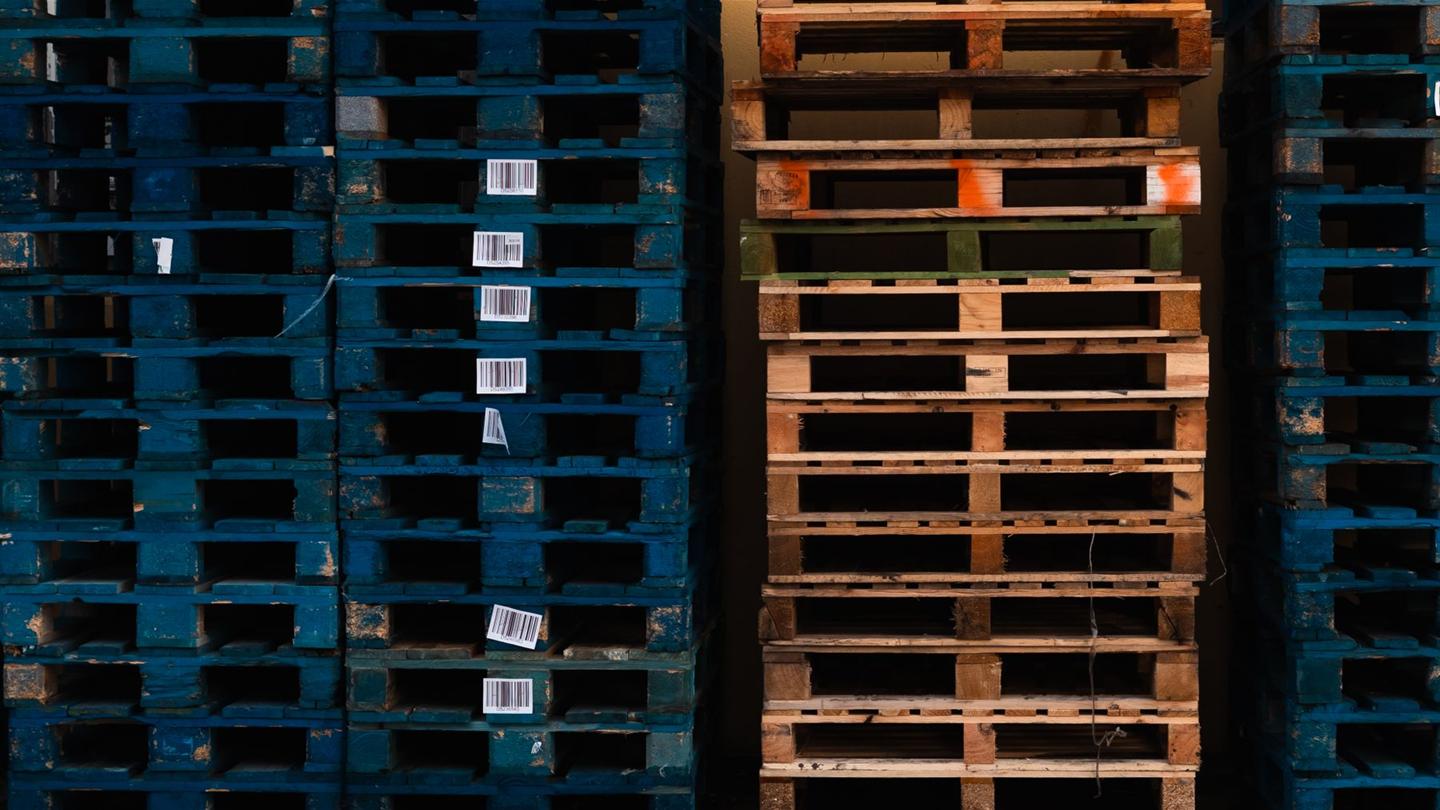
| Pallet spec | 48 by 40 four-way pallets in receivable condition, square stack, no overhang, height inside the DC maximum, pooled or whitewood per the guide | Overhang and loose wrap crush cases in transit and read as damage plus an in-full failure at the door |
| Labeling | GS1-128 carton labels with SSCC, placed on the face and pallet corner the routing guide names | Scannable pallets get received. Unscannable pallets get broken down by hand or turned away |
| Unloading | Live unload or drop trailer, lumper service at most grocery and mass merchandise DCs | Confirmed before dispatch so driver hours and the lumper charge are planned, with the receipt returned in the paperwork |
| Equipment | Dry van standard, clean and odor free trailers for paper goods and packaged food, liftgate for store level delivery | Trailer inspected at loading: dry floor, no protruding nails, doors that seal, no residual odor from the prior load |
| Temperature | Most consumer goods ride ambient, but candles, chocolate and adhesives have heat limits and liquids, aerosols and batteries have freeze or cold limits | Protect from freeze service or temperature controlled equipment gets assigned when the product sheet calls for it |
| Security | Seal number recorded at loading, no unsecured stop in the first hours out of the shipper for dense high value freight | Seal integrity is checked against the BOL at the door, and team drivers keep a high value trailer moving instead of parked |
The equipment
Mode Is a Compliance Decision Before It Is a Price Decision
Retail freight rarely fits one mode all season. A full trailer into a single DC runs dry van. Small PO quantities and store level replenishment ride LTL, where accurate density and dimensions keep the shipment from being reweighed and reclassed at the terminal and keep a pallet from sitting a day while the class is corrected. Displays, fixtures and fragile sets move partial truckload, because every terminal transfer is another forklift near a top heavy display that has to reach the floor presentable. Mixed inbound bound for several DCs gets cross-docked and rebuilt into clean, scannable, DC specific pallets so each receiver sees the pallet its guide asks for. Stores without a dock get a liftgate and final mile. The mode comes from the routing guide and the freight profile, then the price. Not the other way around.
Get a Free, No-Obligation Quote Today
A logistics specialist reviews your lanes and comes back with pricing and capacity. Support runs 24/7.
Every carrier is vetted for operating authority and insurance, and we check the certificate before every dispatch, not once a year. USDOT 3411782 · MC 1100274