
In short
Retail freight is graded by the receiver, not by the shipper. Every purchase order carries a must arrive by date, an appointment at a named distribution center door, and a routing guide dictating pallet build, carton labeling and the advance ship notice. Deliver the goods and miss any one of those and the load still counts against you: the retailer scores a service failure and deducts a compliance fee from what it pays you. At most banners an early arrival is scored the same way a late one is, because a trailer nobody planned for takes a door another vendor booked. Moving the freight is the easy part.
The Appointment Is the Delivery Date
A retail purchase order does not have a delivery date, it has a window and a door time. The must arrive by date sets the outside edge. The DC's scheduling portal sets the hour, and at a busy grocery or mass merchandise DC that hour books out days before the freight is loaded. Ask late and the first open slot lands past the MABD, a failure recorded before the driver rolls.
The appointment also belongs to specific POs. Add a purchase order to the trailer after the slot is booked, or split one PO across two trucks, and the receiver can bounce the load or make it wait for a new slot, because the ASN, the appointment and the physical freight no longer describe the same shipment. So the load plan gets frozen with the appointment, not after it.
Before dispatch we confirm the appointment number, the door, the PO numbers that belong on the bill of lading, the receiving department's real hours, and whether the DC runs live unload or drop trailer. Live unload burns the driver's clock at the dock, so a 6 a.m. appointment where receivers start at 8 is not an appointment, it is a detention bill.
Grocery and mass merchandise DCs unload through a lumper service the driver pays at the dock. That charge is priced into the load up front and the lumper receipt comes back with the delivery paperwork, so it never turns into a line item nobody can explain three weeks later.
Why a Late DC Delivery Is Never Just a Late Delivery
A missed window at a retail DC costs you three times. The compliance fee is first and smallest: a percentage of the cost of the goods on that PO, deducted from your remittance without a conversation. Second is the recovery, because the load waits for the next open door, several days out at peak, with detention or redelivery riding on top of freight you already paid for.
The third cost never appears on an invoice. On time and in full is scored per PO, rolled up per vendor, and reviewed. A scorecard that slips is what the retailer has in front of it when it decides shelf space, promotional support and next year's terms. Nobody in that room remembers which carrier had the breakdown. They remember your fill rate.
That is why retail freight is bought differently than freight priced by the mile. The deduction is a percentage of the merchandise on the trailer, so on a PO of packaged consumer goods it can dwarf the difference between the cheap truck and the reliable one. The target is a load plan with enough transit buffer that one broken truck does not eat the window, a mode that will not add a terminal transfer the week before a set date, and a specialist who calls you while the load can still be recovered, not after the deduction posts and the scorecard is already written.
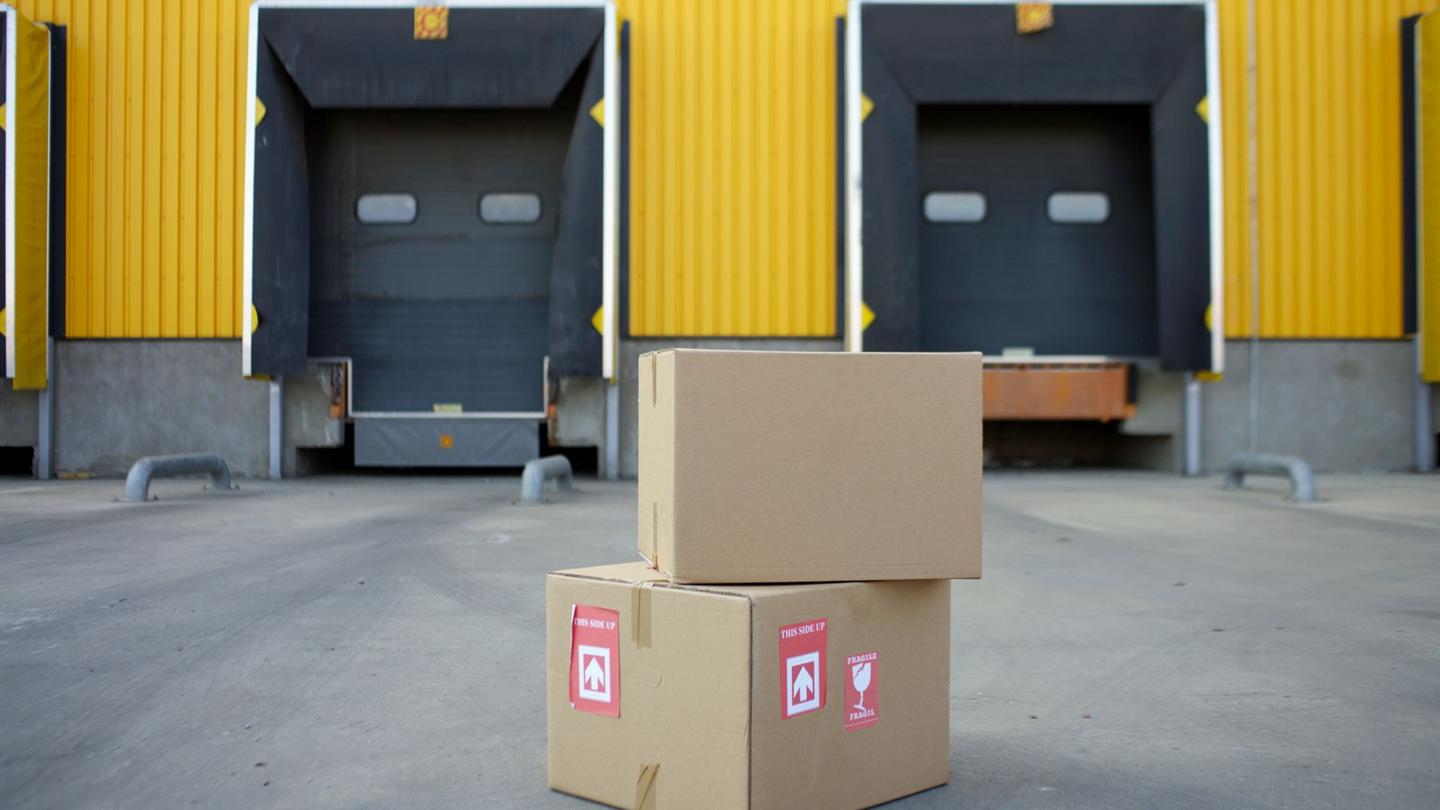
Pallets, Labels and the ASN: The Load Is Graded Before It Is Unloaded
The routing guide is the real load spec. Most banners want 48 by 40 four-way pallets in receivable condition, product stacked square with no overhang past the edge, total height inside the DC's stated maximum, and stretch wrap tensioned into the top course of cases instead of spun loosely around the middle. Some receivers take pooled rental pallets on exchange and some take one-way whitewood only, and sending the wrong one turns into a pallet charge on the same remittance the freight is paid from.
Cartons carry GS1-128 labels with the SSCC number, placed on the face and the pallet corner the guide names, so a receiver scans a pallet instead of breaking it down by hand. The advance ship notice, the EDI 856, is transmitted ahead of arrival and has to match what is physically on that trailer, PO by PO and SSCC by SSCC. If the ASN says forty pallets and thirty-eight come off, the receipt posts as a shortage, and the shortage is yours to prove.
None of those specs come from the carrier, and they are not the same from one banner to the next: pallet height, label placement, seal protocol and BOL fields all change with the routing guide. Send the guide with the load and its rules get confirmed with the assigned driver before pickup, instead of being read for the first time at the guard shack.
How Retail Freight Fails in Transit, and What Prevents It
Consumer goods travel in corrugated cartons, and almost all of a carton's stacking strength sits in its four vertical corners. Stack out of column so the corners no longer line up, let the pallet overhang the stringer by an inch, or wrap it loose so the stack can lean, and the case walls carry weight they were never rated for. Humidity in the trailer takes more of that strength out of the board over the run. It arrives as crushed cases, which the receiver counts as damage and as a shortage against the PO. One pallet, a claim and an in-full failure on the scorecard.
Built displays fail differently. A floor-ready pallet display is tall, light and top heavy, it cannot be stacked on, and every handling event is a chance to bend a header or crease a corrugated wing. A display that arrives creased cannot go to the sales floor, which means the set date is missed even though the freight was delivered on time. That is why display and reset merchandise belongs on partial truckload rather than LTL: same trailer origin to door, two forklifts instead of eight, nothing riding on top.
Wet corrugate is the quiet one. A leaking roof or a wet trailer floor turns a paper based pallet into a collapse mid-lane, and residue from a prior load of detergent, scented candles or cleaning chemicals leaves odor in the walls that transfers into paper goods, pet food and packaged food in the same trailer. Odor transfer is not visible at the dock, it is discovered at the store. Trailer condition gets inspected at loading, not assumed: dry, clean, odor free, no protruding nails, doors that seal.
Dense retail freight fails by disappearing. Cargo theft concentrates on the first stretch out of the shipper, unattended drop lots and long weekend layovers, and the preferred targets are goods that resell fast in small units: small electronics, accessories, batteries, razors and premium personal care. Loads that warrant it move with the seal number recorded on the bill of lading, no unsecured stop in the first couple hundred miles out of the shipper, and team drivers when the value justifies keeping the trailer rolling instead of parked.
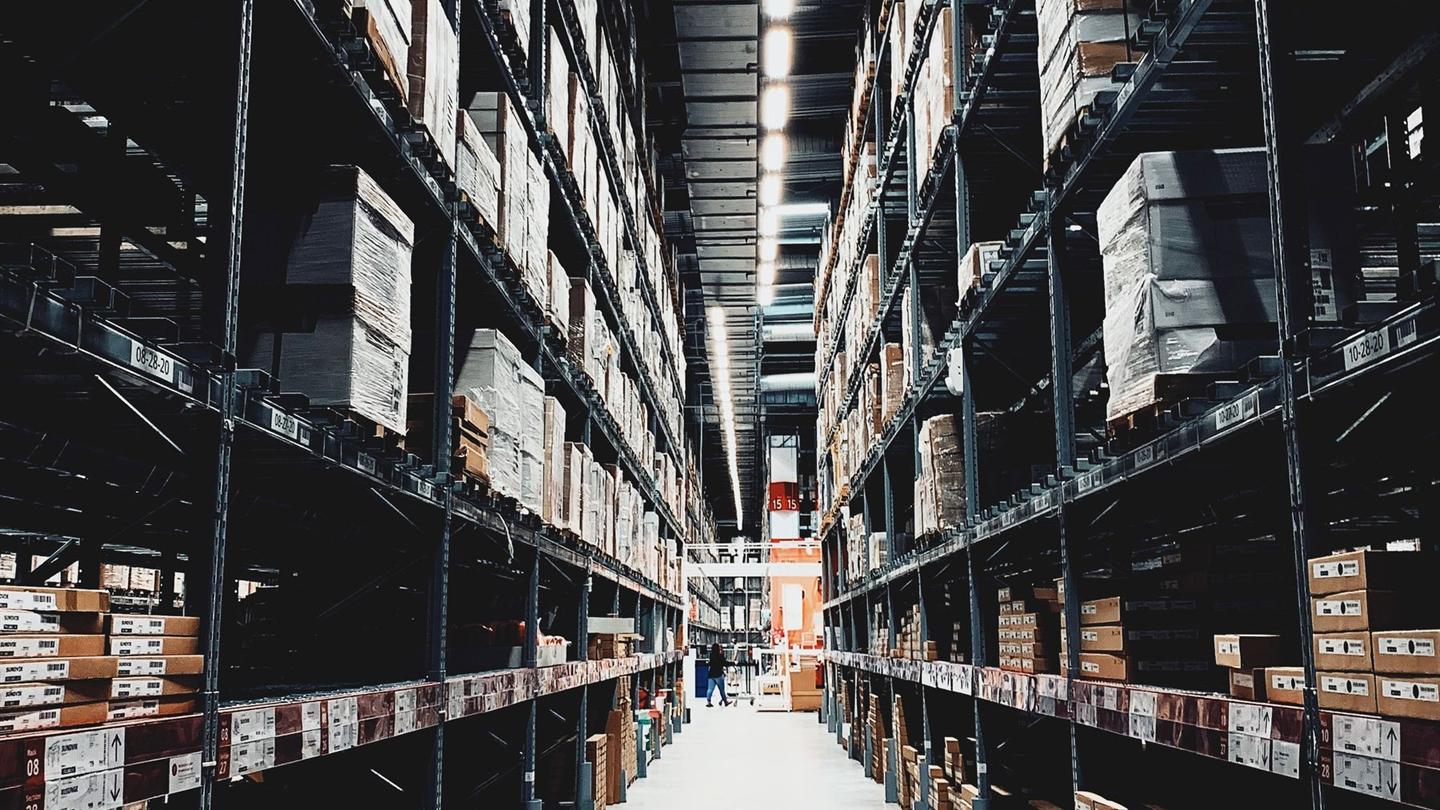
Peak Season Is a Capacity Problem Before It Is a Freight Problem
Retail volume is not a flat line, it stacks into the DC ahead of each selling season. Lawn and garden pushes in late winter, back to school runs through midsummer, holiday inbound builds from late summer into November, and January reverses the flow with returns and closeout lots moving back out of the network.
Two things tighten in the same weeks: trucks and doors. Everyone in your category ships when you ship, so spot capacity prices up while DC appointment calendars fill and receiving hours stay the same. A set date does not move because the truck got expensive, and a holiday PO booked on the lead time that worked in April is competing for a truck and a door at once. That is how a promotional set arrives after the ad ran.
The fix is a calendar, not heroics. Hand over the season's set dates and MABDs and lanes get covered ahead of the surge out of a nationwide network of vetted carriers, rather than out of whatever is left on a load board the afternoon before. When something breaks inside peak, urgent transport is a defined service here with 24/7 coverage behind it.
Why Dobie Fits a Vendor Compliance Program
Dobie coordinates transportation: a vetted carrier network managed by dedicated logistics specialists. For a vendor compliance program that matters in one specific way. The carrier assigned to your load is verified the day it is assigned, not once a year on a file review: operating authority in force, cargo insurance current with limits that correspond to the load, and equipment that corresponds to the assignment. The cargo travels covered by the carrier's cargo insurance, with condition documented at pickup and at delivery, which is the record a damage claim and a shortage dispute are argued from. A chargeback does not care how a carrier looked last January.
One account, one dedicated specialist, and the full range of modes a retail program actually runs on across 50 states with a 98% on-time record: dry van for full trailers into a DC, LTL for store level replenishment, partial truckload for displays and freight that has to arrive presentable, cross-dock and warehousing capacity in the network to rebuild mixed inbound into DC specific pallets, and final mile with a liftgate for stores with a back door and no dock. When the profile changes between weekly replenishment and a holiday build, the mode changes with it instead of the freight being forced into whatever was set up in the spring.
The Rio Grande Valley base matters the moment your goods are made in Mexico. Housewares, small appliances and packaged consumer products for U.S. shelves are manufactured south of the border in volume, and the MABD clock keeps running through the customs broker, the yard transfer and the northbound handoff. Crossings, customs brokers, maneuvering yards and Mexican carriers are weekly business for this team in the South Texas corridor, so the border gets planned inside your delivery window instead of discovered inside it. There is also an internal team here for freight that is not vehicles or machinery, with experience in refrigerated, food and hazardous materials, which is what the retail categories that do not ship like plain dry boxes need.