
Loader Transport for Construction and Industrial Equipment
Move wheel loaders and similar equipment with transportation planned around machine dimensions, weight, loading requirements and destination.
Tell us about your shipment in 60 seconds
Your request is in the queue. Our team will text you within 15 minutes during business hours with your custom quote.
Here is what we received. Our team reviews it and replies in under 10 minutes during business hours with your quote.
- PICKUP LOCATION
- DELIVERY LOCATION
- EQUIPMENT TYPE
- MAKE & MODEL
- WEIGHT (LBS)
- DIMENSIONS
- FULL NAME
- PHONE NUMBER
We'll text you at in under 10 minutes during business hours.
Save our number: +1 (888) 354-7402
How Are Wheel Loaders Transported?
Wheel loaders drive onto RGNs and lowboys from ground level, with the bucket lowered against the deck. Mid-size loaders often exceed 8′6″ at the bucket — which makes width the permit trigger — and large models add weight considerations. The machine’s spec sheet drives trailer choice, permits and route.
Loader Moves We Coordinate
- Construction fleets between projects
- Aggregate and material yards
- Dealer and auction purchases
- Industrial plants and mills
- Snow-season repositioning
How It Works
Tell Us About the Machine
Make, model, weight and dimensions. If you have a spec sheet or photos, even better.
We Plan Trailer & Permits
Our team matches the trailer — RGN, lowboy, step deck or flatbed — and coordinates any oversize permits the route requires.
Loading & Transport
The carrier loads, secures and hauls the equipment. Drive-on machines use ramps; inoperable units are winched or lifted.
Jobsite Delivery
The equipment is delivered to the yard, dealer or jobsite, offloaded and confirmed complete.
Bucket Width Sets the Permit Question
The machine may be road-legal while its bucket is not: general-purpose buckets on 3-yard-class loaders commonly run 9–10′ wide. Options: permit the width, or remove the bucket and deck it separately to bring the load legal. We price both and pick what totals less for your route.
Cost Factors
Heavy equipment pricing is driven by the machine and the route. These are the factors our dispatch team checks before quoting:
| Factor | Impact |
|---|---|
| Weight | Trailer requirement and axle configuration |
| Width & height | Oversize permit requirements |
| Distance | Line-haul cost |
| Loading capability | Whether ramps, a winch or a crane are needed |
| Route restrictions | Bridges, clearances and escort requirements |
How Long Does It Take?
Most equipment moves are matched with a carrier within a few days of booking — often faster on busy lanes. Transit time depends on distance, route and equipment: regional moves often deliver in 1–3 days, while coast-to-coast shipments average 7–10 days. Your logistics specialist confirms a realistic pickup window when you book and keeps you updated through delivery.
Insurance & Safety
Every carrier in the Dobie network is vetted for active operating authority and insurance before a load is assigned. Your equipment is covered by the carrier's cargo insurance from pickup to delivery, and our dispatch team verifies the certificate of insurance before every dispatch — not once a year.
Where We Coordinate It
Dobie coordinates heavy equipment transport across all 50 states, with deep operating experience in Texas, the South Texas border region and cross-border routes into Mexico. Wherever the pickup and the delivery are, one team manages the entire move.
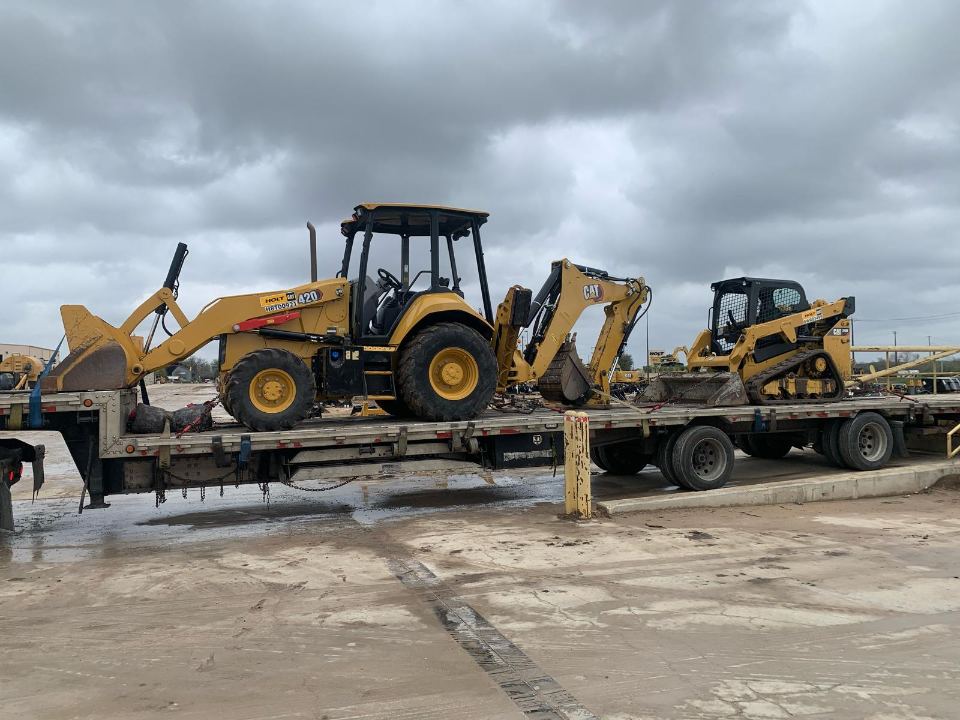
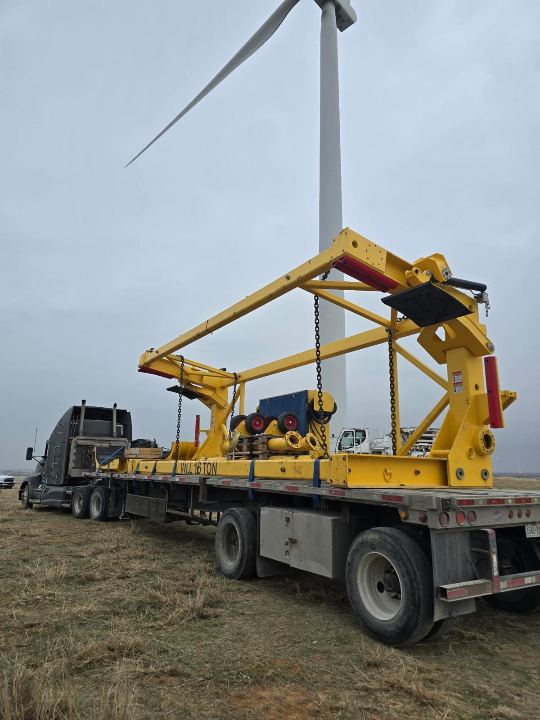
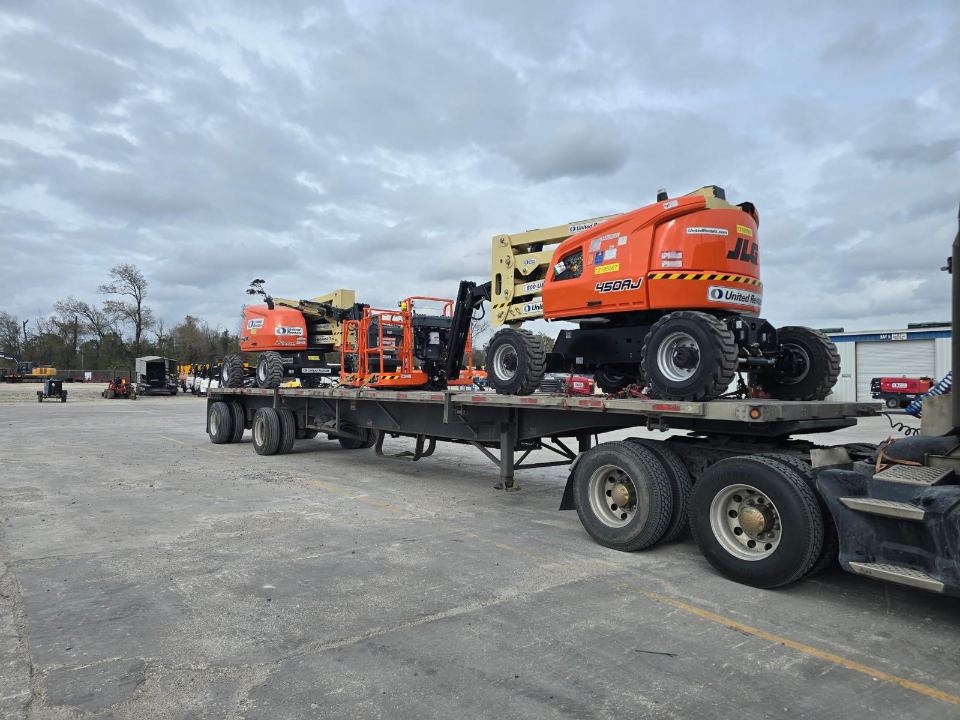
Shipments Like Yours
Frequently Asked Questions
What size loader can you move?
From compact utility loaders to large production machines. Bigger machines mean multi-axle lowboys and overweight permits — a planning question, not a capability limit.
Does the bucket ride on or off?
On, when the width stays permittable at reasonable cost; off and decked separately when removal saves real money. We run the comparison for your specific machine and route.
Can a non-running loader move?
Yes — winched onto an RGN. Steering condition matters for winching, so describe what works and what doesn’t.
Forks and attachments too?
Yes, secured on the deck alongside the machine and included in the load plan.
Last reviewed: August 2026 · Reviewed by the Dobie Transport logistics team
Get a Free, No-Obligation Quote Today
Our logistics specialists are standing by. Most quotes delivered in 5 minutes or less.