
Lowboy Transport for Tall and Heavy Machinery
Lowboy trailers help move heavy equipment while keeping overall loaded height lower. Dobie coordinates the right configuration for your machine and route.
Tell us about your shipment in 60 seconds
Your request is in the queue. Our team will text you within 15 minutes during business hours with your custom quote.
Here is what we received. Our team reviews it and replies in under 10 minutes during business hours with your quote.
- PICKUP LOCATION
- DELIVERY LOCATION
- EQUIPMENT TYPE
- MAKE & MODEL
- WEIGHT (LBS)
- DIMENSIONS
- FULL NAME
- PHONE NUMBER
We'll text you at in under 10 minutes during business hours.
Save our number: +1 (888) 354-7402
What Is a Lowboy Trailer?
A lowboy is a heavy-haul trailer whose deck drops to roughly 18–24 inches off the ground between the gooseneck and the rear axles. That low deck buys height budget: a machine that would be over-height on a step deck rides legal on a lowboy. Many lowboys are also RGNs — the terms overlap in practice.
Loads That Ride Lowboys
- Dozers and tracked loaders
- Excavators within weight limits
- Tall industrial machinery
- Motor graders and scrapers
- Anything fighting the 13′6″ limit
How It Works
Tell Us About the Machine
Make, model, weight and dimensions. If you have a spec sheet or photos, even better.
We Plan Trailer & Permits
Our team matches the trailer — RGN, lowboy, step deck or flatbed — and coordinates any oversize permits the route requires.
Loading & Transport
The carrier loads, secures and hauls the equipment. Drive-on machines use ramps; inoperable units are winched or lifted.
Jobsite Delivery
The equipment is delivered to the yard, dealer or jobsite, offloaded and confirmed complete.
The Height Math
Legal loaded height is typically 13′6″ (14′ in some western states). A lowboy’s ~20″ deck means machines up to ~11′8″ tall ride legal. A dozer with a 10′ cab clears easily; an excavator boom may still need lowering. We run the machine height against the deck before dispatch so the route never meets a bridge it can’t clear.
Cost Factors
Heavy equipment pricing is driven by the machine and the route. These are the factors our dispatch team checks before quoting:
| Factor | Impact |
|---|---|
| Weight | Trailer requirement and axle configuration |
| Width & height | Oversize permit requirements |
| Distance | Line-haul cost |
| Loading capability | Whether ramps, a winch or a crane are needed |
| Route restrictions | Bridges, clearances and escort requirements |
How Long Does It Take?
Most equipment moves are matched with a carrier within a few days of booking — often faster on busy lanes. Transit time depends on distance, route and equipment: regional moves often deliver in 1–3 days, while coast-to-coast shipments average 7–10 days. Your logistics specialist confirms a realistic pickup window when you book and keeps you updated through delivery.
Insurance & Safety
Every carrier in the Dobie network is vetted for active operating authority and insurance before a load is assigned. Your equipment is covered by the carrier's cargo insurance from pickup to delivery, and our dispatch team verifies the certificate of insurance before every dispatch — not once a year.
Where We Coordinate It
Dobie coordinates heavy equipment transport across all 50 states, with deep operating experience in Texas, the South Texas border region and cross-border routes into Mexico. Wherever the pickup and the delivery are, one team manages the entire move.
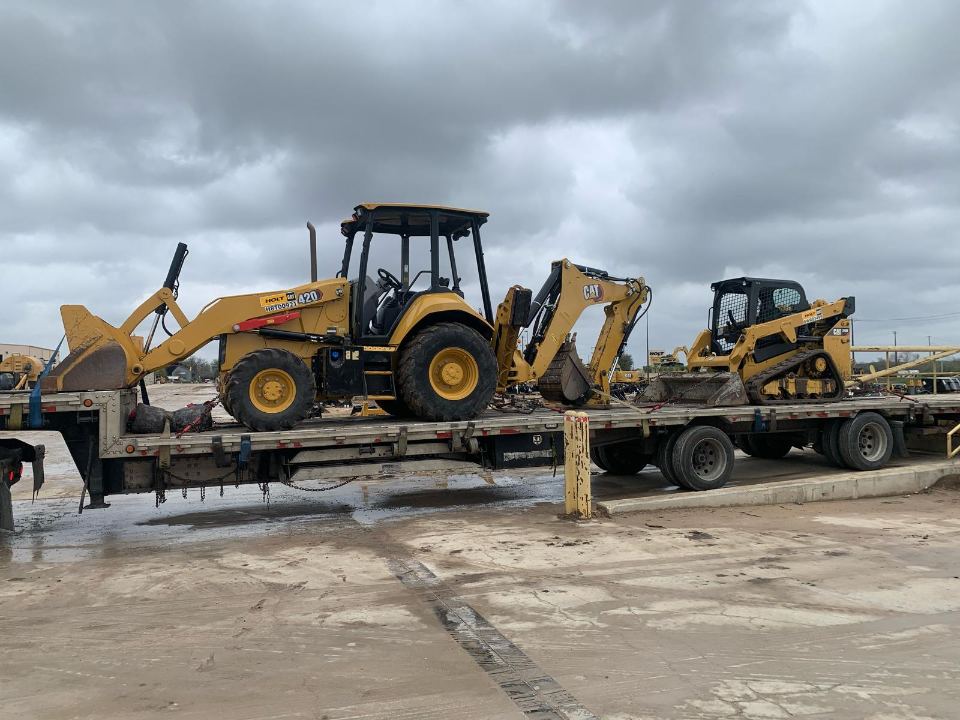
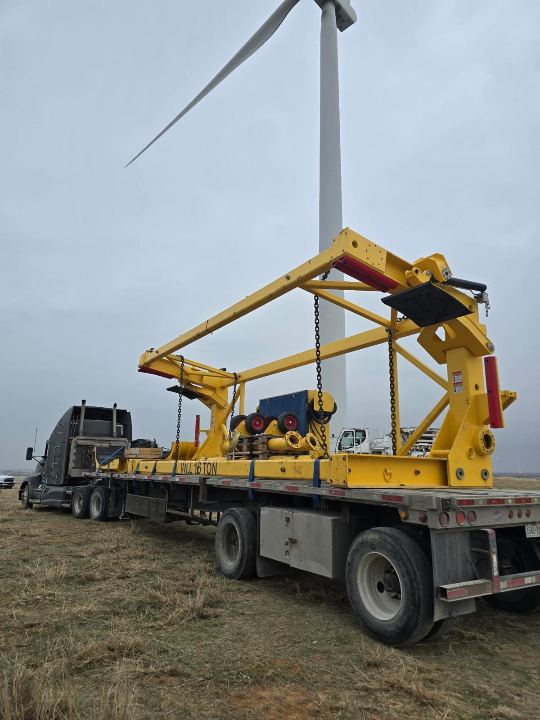
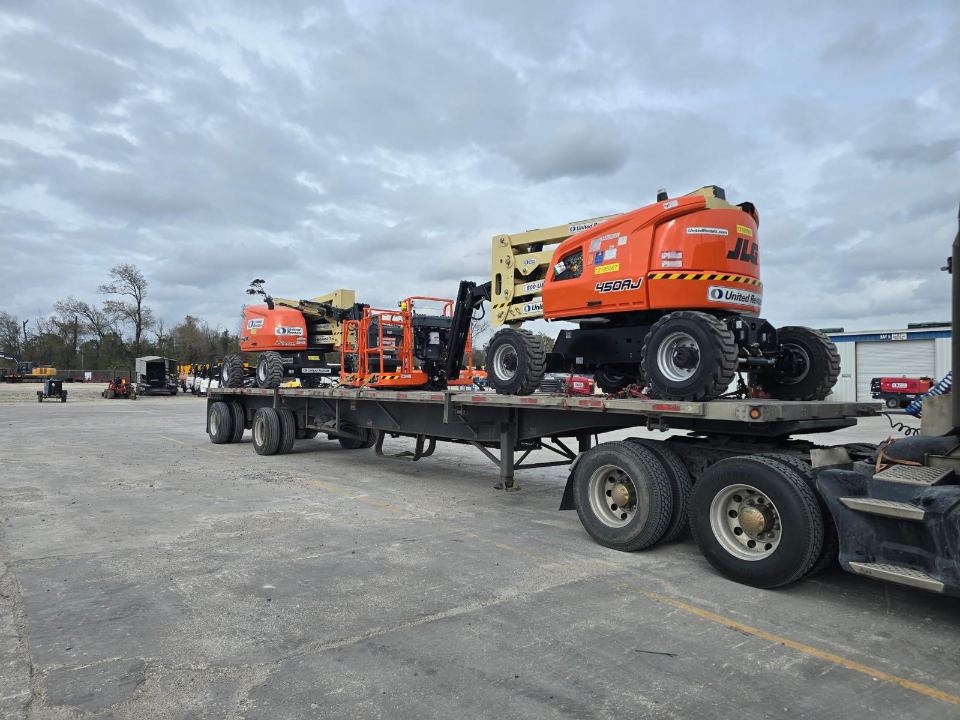
Shipments Like Yours
Frequently Asked Questions
Lowboy vs RGN — what’s the difference?
Deck height vs loading method. "Lowboy" describes the low deck; "RGN" describes the removable front that enables drive-on loading. Many trailers are both. What matters is matching your machine’s height, weight and loading needs.
How tall can my machine be on a lowboy?
Roughly 11′6″–11′10″ stays legal in most states given a ~20″ deck. Taller machines need over-height permits and route surveys — possible, just planned.
How is equipment loaded onto a lowboy?
Drive-on via the detachable gooseneck when the lowboy is an RGN; otherwise from ramps, a dock or a crane. The loading plan is set before the carrier arrives.
What does lowboy transport cost?
Comparable to RGN hauling — specialized equipment, permit scope and distance drive the price. Exact specs get an exact quote, free.
Last reviewed: August 2026 · Reviewed by the Dobie Transport logistics team
Get a Free, No-Obligation Quote Today
Our logistics specialists are standing by. Most quotes delivered in 5 minutes or less.