
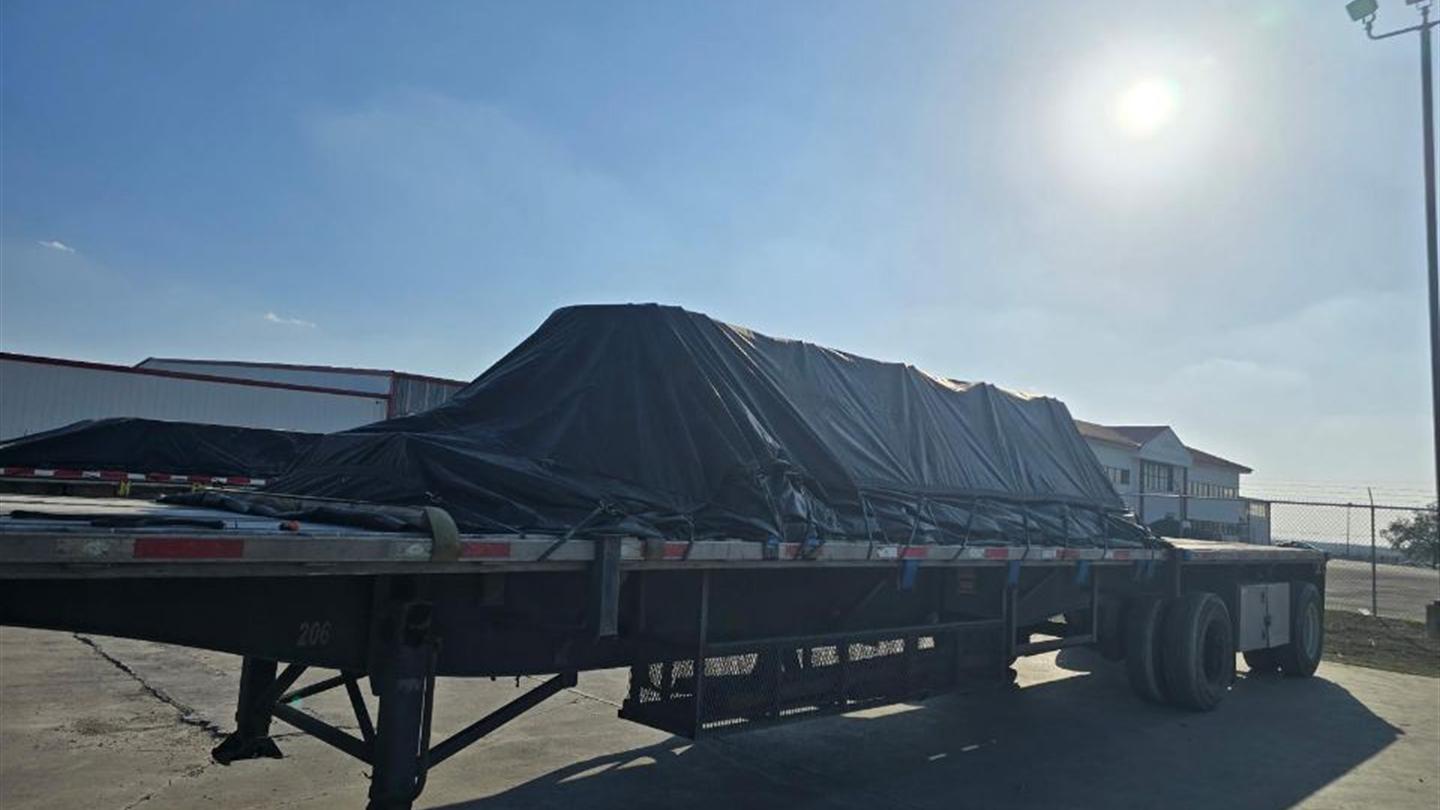
Insurance and Cargo Coverage
Your shipment travels under the assigned carrier's cargo insurance, from pickup to delivery. We verify that certificate before the truck is dispatched, every time, and document the condition of the load at both ends so a claim has evidence behind it instead of opinions.
If my cargo is damaged in transit, whose insurance pays?
The carrier's. Dobie Transport coordinates transportation through a vetted carrier network, so the truck that loads your freight hauls under its own operating authority and its own cargo policy, and that policy covers the shipment from pickup to delivery. Before a load is assigned, our dispatch team verifies the carrier's certificate of insurance and checks that the limits fit what is going on the trailer. What decides a damage claim after that is the condition report: the load is documented when it is picked up and documented again when it is delivered, so there is a dated record of what left and what arrived. Ask your specialist about the certificate of insurance of the carrier assigned to your shipment, and we will confirm in writing what applies to your load.
How Coverage Works When Transportation Is Coordinated
Dobie Transport is a coordinated transportation company. We do not own trucks. A dedicated logistics specialist matches your load to a carrier out of a nationwide network of vetted carriers, and that carrier hauls under its own authority and its own insurance. That structure is exactly why the verification step matters more than any promise on a website: the protection on your shipment is only as current as the certificate of the truck that shows up.
So we check it at the moment when it can still change something. Every carrier is verified for active operating authority (MC/DOT), current insurance with limits that fit the load, and equipment that matches the assignment. Certificates are checked at dispatch, not once a year. A carrier whose policy lapsed in March does not keep hauling on a certificate issued in January.
What "Limits That Fit the Load" Actually Means
A cargo policy carries a limit, the maximum it will pay on one shipment. A limit that is fine for a trailer of palletized goods is not fine for two exotic cars or a wide excavator. Matching the two is a dispatch decision: we look at what you are shipping and what it is worth, then assign a carrier whose policy is sized for it.
This is why equipment type and coverage tend to move together. Enclosed vehicle carriers typically run higher limits than open carriers, because of what they are built to haul, and heavy haul carriers running lowboys and RGNs carry limits appropriate to the machines on the deck. Give your specialist the declared value up front. It changes which carriers are eligible for the job, and it is much easier to solve before assignment than after.
The Condition Report Is What Wins or Loses a Claim
This is the mechanism most shippers underuse. Coverage answers who pays. The condition report answers what happened, and without it a claim turns into one party's word against another's.
The load is inspected and documented at pickup, and inspected and documented again at delivery, and both records stay with the shipment. When the two records differ, that difference is the claim: dated, described, and tied to a specific carrier and a specific trailer.
Your part is short and nobody can do it for you. Have someone you trust present at both ends, walk the load before signing, and write any exception on the delivery receipt before it is signed. A receipt signed clean says the freight arrived the way it left. Note the damage on the document first, photograph it before anything is moved off the trailer, and call your specialist the same day.
Settle the Insurance Question Before the Truck Loads
Once a carrier is assigned, ask your specialist about its insurance and get three things straight: whether the policy is active on your pickup date, what the cargo limit is, and whether the coverage fits the load that is going out. Dispatch checks that certificate for that dispatch, and we will confirm in writing what applies to your shipment. If something does not fit, that is a conversation to have with dispatch, not with an adjuster.
If your procurement or risk team needs documentation in a particular form, say so at booking instead of at pickup. Certificates are issued by the carrier's insurance agent, and that takes time you would rather spend while the load is still a plan.
What Happens to Coverage at the Border
On a cross-border move, the shipment may be handed to a Mexico-side carrier at the crossing. Those carriers go through the same vetting as the domestic network, and their certificates are verified before they take the load. Based in the Rio Grande Valley, Dobie treats U.S.-Mexico logistics as home-field operations, so that handoff is weekly business, not something improvised on your shipment.
What the coverage looks like on each side of the crossing depends on the lane and on the carriers involved, so ask your specialist to put it in writing for your specific route before you book. It is a short question before dispatch and a long one afterward.
How coverage is established on a Dobie shipment
Every step produces a document, not a promise.
| Booking | You tell the specialist what is shipping, what it is worth and where it moves. That determines which carriers are eligible for the load. |
|---|---|
| Carrier assignment | Operating authority (MC/DOT), current insurance and equipment are verified for the specific carrier taking your load. |
| Before dispatch | The certificate of insurance is checked for that dispatch, not once a year. |
| Pickup | Condition inspected and documented, with the bill of lading signed by the driver. |
| In transit | The shipment travels under the assigned carrier's cargo policy, from pickup through delivery. |
| Delivery | Condition documented again. Any exception goes on the delivery receipt before it is signed. |
| Claim | The pickup and delivery records are compared. The difference between them is the documented claim. |
What to have in hand before your load ships
- Confirmation from your specialist that the assigned carrier's insurance was verified for your pickup date.
- The declared value of the load, given to your specialist before dispatch rather than after.
- A named person at pickup and a named person at delivery who can inspect and sign.
- Dated photographs of the load taken before it goes on the trailer.
- A bill of lading that lists the freight as it is really loaded, with piece count and any pre-existing damage written on it.
- Your specialist's direct line saved in your phone before the truck arrives, not looked up after.
Frequently Asked Questions
Can I get a copy of the carrier's certificate of insurance?
Ask your specialist once the carrier is assigned. Dispatch verifies that certificate before the load goes out, and we will confirm in writing what documentation we can share for your shipment. If your risk team needs to review it before you approve the booking, say so at quote time so it is handled while the load is still a plan.
Are personal items packed inside the vehicle covered?
Carrier rules on what may ride inside the vehicle vary, and personal items are generally not part of the freight listed on the bill of lading. Confirm with your specialist before loading day what the assigned carrier allows and what its policy covers.
What do I do if I find damage at delivery?
Write the exception on the delivery receipt before you sign it, photograph the damage before the unit is moved off the trailer, and call your specialist the same day. A receipt signed clean is the hardest document to walk back.
Does the coverage limit change with the type of equipment?
In practice, yes. Enclosed vehicle carriers typically run higher limits than open carriers, and heavy haul carriers running lowboys and RGNs carry limits appropriate to the machines they move. Tell us the declared value and we assign a carrier whose policy fits it.
Who handles a claim, and who do I call?
The same dedicated specialist who booked the shipment. One point of contact, one file, with the pickup and delivery documentation already in it. Support is available 24/7 at +1 (888) 354-7402.
Are Mexico-side carriers held to the same standard?
Yes. Carriers on the Mexican side go through the same vetting as the domestic network, and their certificates are verified before they take a load. What coverage applies on each side of the crossing depends on the lane, so ask us to confirm it in writing for your route.
Get a Free, No-Obligation Quote Today
A logistics specialist reviews your lanes and comes back with pricing and capacity. Support runs 24/7.