
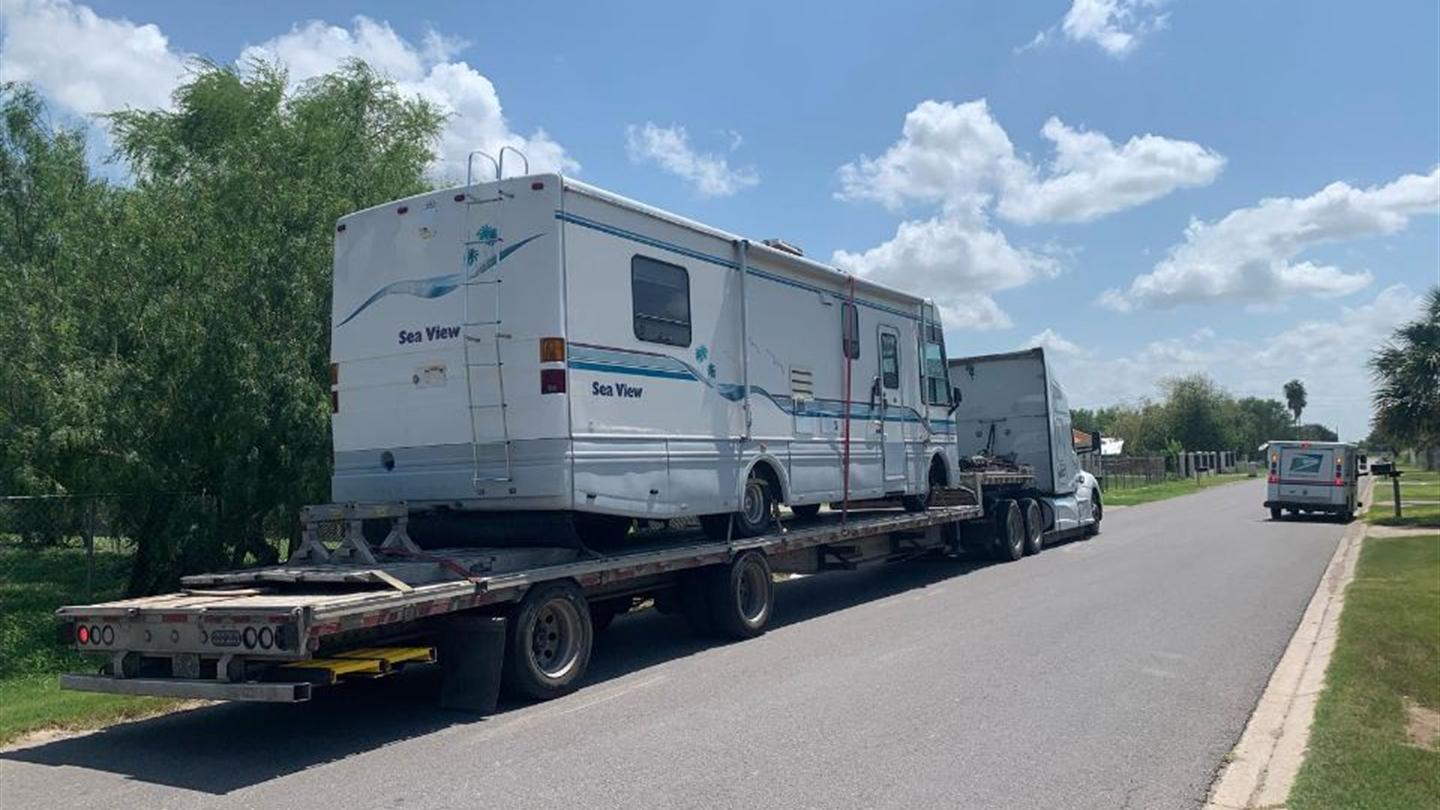
Transport a Vehicle That Doesn't Run
A vehicle does not need to start or drive to be transported. Dobie coordinates carriers equipped to load and move inoperable vehicles safely.
Tell us about your shipment in 60 seconds
Your request is in the queue. Our team will text you within 15 minutes during business hours with your custom quote.
We'll text you at within 15 minutes during business hours.
Save our number: +1 (888) 354-7402
How Do You Transport a Vehicle That Doesn’t Run?
With the right loading equipment. Carriers assigned to non-running vehicles bring a winch that pulls the vehicle onto the trailer under control; forklift loading covers vehicles that cannot roll at all. The key is flagging the condition up front so the equipped carrier — not a standard one — shows up.
Vehicles We Move in This Condition
- Auction and salvage purchases that don’t start
- Project cars and unfinished restorations
- Mechanical failures headed to a shop or home
- Vehicles with missing keys
- Accident-damaged units that still roll — or don’t
How It Works
Tell Us About the Vehicle
Year, make, model, whether it runs, and where it is going. That is everything we need to start.
We Match the Carrier
We select a vetted carrier with the right equipment for your vehicle and route, and confirm insurance before dispatch.
Pickup & Transport
The driver inspects and documents the vehicle at pickup. You stay informed while it is on the road.
Delivery & Final Inspection
The vehicle is inspected again at delivery. You confirm everything matches the pickup condition before signing off.
What "Non-Running" Changes About the Move
Three questions decide the equipment: Does it roll? Does it steer? Does it brake? A car that rolls and steers needs only a winch. One that does none of those may need a forklift at both ends. Answer those three questions in your quote and the move goes smoothly the first time.
Cost Factors
Vehicle transport pricing is not a flat rate — it reflects the route, the vehicle and the equipment needed. These are the factors that move the number:
| Factor | Impact |
|---|---|
| Distance & route | Line-haul cost and how often carriers run the lane |
| Vehicle size & weight | How much carrier capacity it uses |
| Running or non-running | Winch-equipped carrier requirement |
| Open vs enclosed | Enclosed protection typically costs more |
| Timing flexibility | Expedited pickup narrows the carrier pool |
How Long Does It Take?
Most vehicle shipments are matched with a carrier within a few days of booking — often faster on busy lanes. Transit time depends on distance, route and equipment: regional moves often deliver in 1–3 days, while coast-to-coast shipments average 7–10 days. Your logistics specialist confirms a realistic pickup window when you book and keeps you updated through delivery.
Insurance & Safety
Every carrier in the Dobie network is vetted for active operating authority and insurance before a load is assigned. Your vehicle is covered by the carrier's cargo insurance from pickup to delivery, and our dispatch team verifies the certificate of insurance before every dispatch — not once a year.
Where We Coordinate It
Dobie coordinates vehicle transport across all 50 states, with deep operating experience in Texas, the South Texas border region and cross-border routes into Mexico. Wherever the pickup and the delivery are, one team manages the entire move.
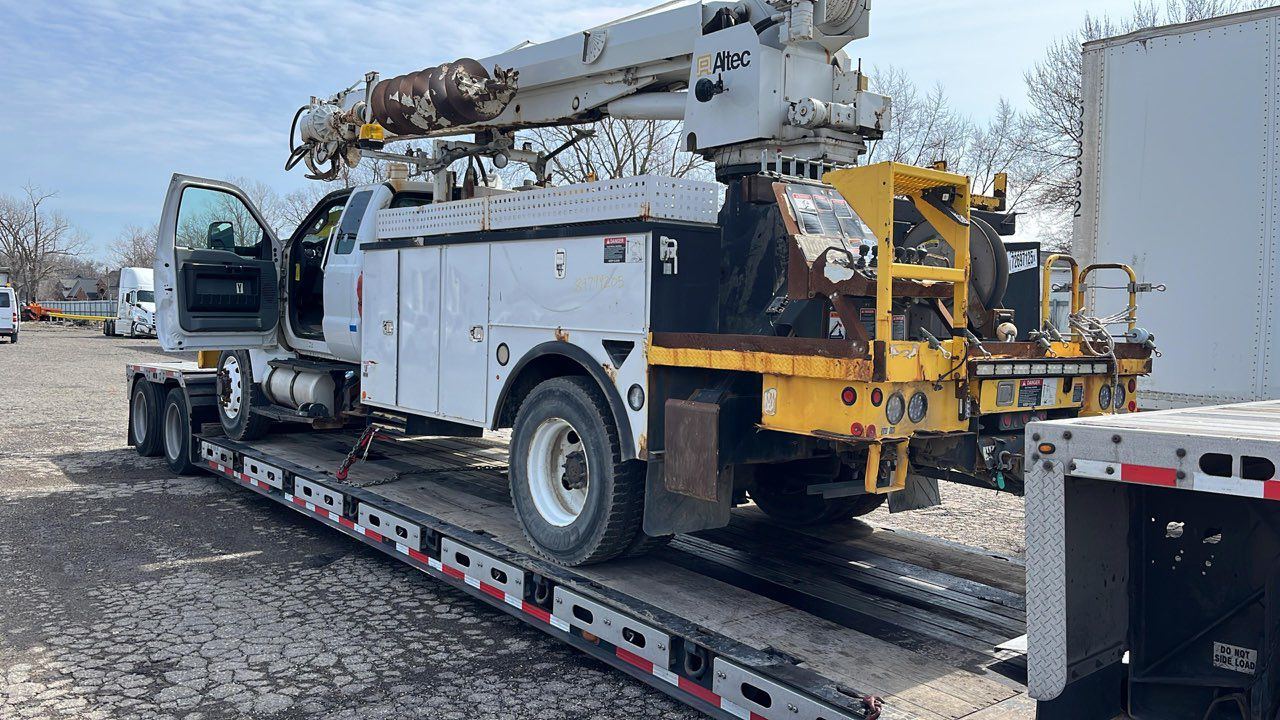
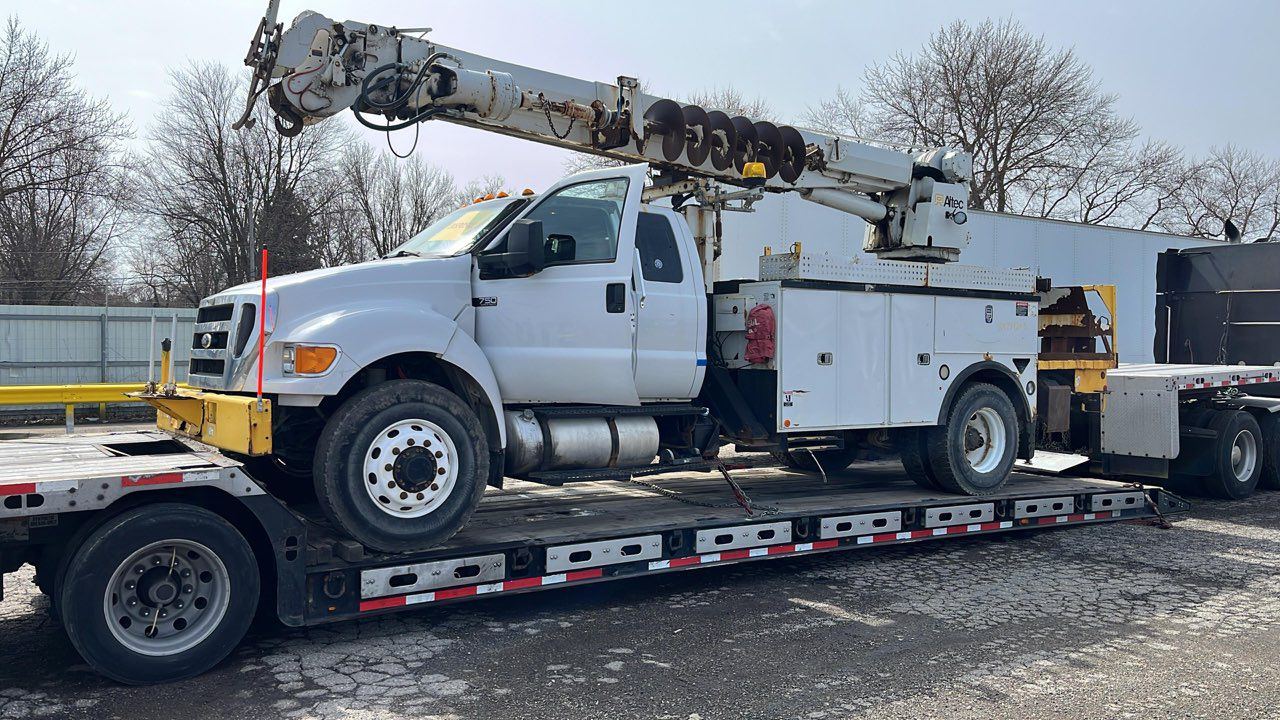
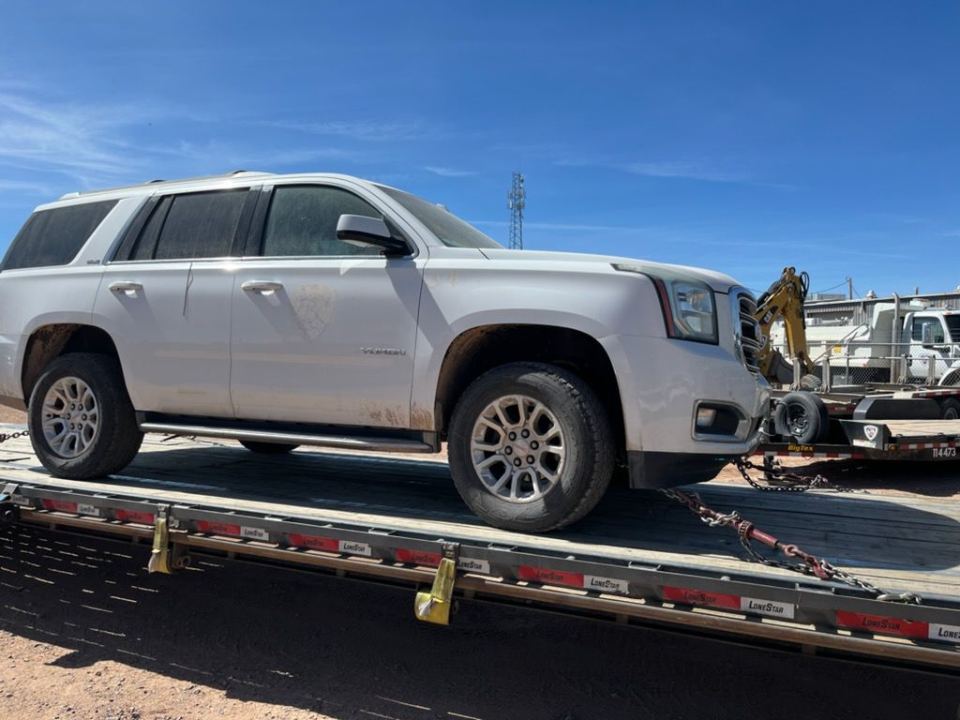
Shipments Like Yours
Frequently Asked Questions
Does a non-running vehicle cost more to ship?
Yes, moderately — winch-equipped carriers are a smaller pool and loading takes longer. The surcharge is quoted up front, not discovered at pickup.
What if the vehicle has no keys?
It can still move. Tell us in advance: steering and rolling condition matter more than keys, and the carrier plans loading accordingly.
Can you pick up from a repair shop or impound lot?
Yes — we coordinate with shops, impound lots, auctions and storage facilities regularly, including their release requirements and hours.
What happens if my car doesn’t start at pickup?
If you booked it as running and it isn’t, the carrier may not have winch equipment and the move can be delayed or re-priced. When in doubt, book it as non-running — it is cheaper than a failed pickup.
Last reviewed: August 2026 · Reviewed by the Dobie Transport logistics team
Get a Free, No-Obligation Quote Today
Our logistics specialists are standing by. Most quotes delivered in 5 minutes or less.