
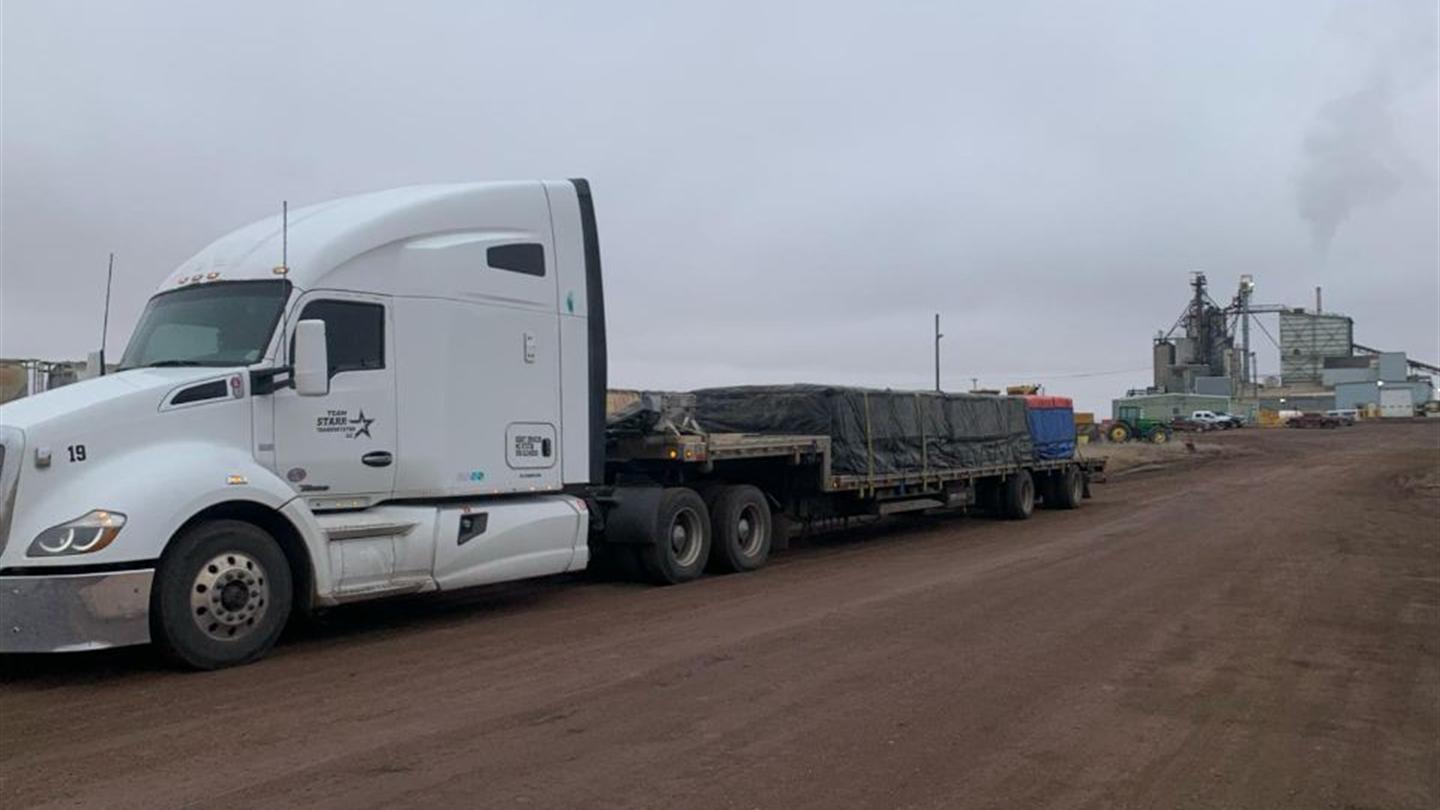
Vehicle, Heavy Equipment and Freight Transport in Louisiana
Pickups and deliveries anywhere in Louisiana, from Baton Rouge and Lafayette to the towns between them, coordinated by one team and hauled by carriers vetted before every dispatch.
Tell us about your shipment in 60 seconds
Your request is in the queue. Our team will text you in under 10 minutes during business hours with your custom quote.
We'll text you at in under 10 minutes during business hours.
Save our number: +1 (888) 354-7402
Every carrier is vetted for operating authority and insurance, and we check the certificate before every dispatch, not once a year. USDOT 3411782 · MC 1100274
At a glance
Shipping in Louisiana at a glance
The facts that decide how a load moves here. Regulatory figures link to the official page they come from.
- I-10
- I-12
- I-20
- I-49
- I-55
- I-59
- I-110
- I-210
- I-220
- I-310
- I-610
- Port of New Orleans
- Port of South Louisiana
- Port of Greater Baton Rouge
- Port of Lake Charles
- Port Fourchon
- petrochemicals and oil refining
- port, river barge and maritime trade
- onshore and offshore oil and gas
- agriculture (sugarcane, rice, soybeans, cotton)
- seafood
- shipbuilding and marine services
How freight moves in Louisiana
Freight in Louisiana runs on I-10, I-12, I-20, I-49, I-55 and I-59. Ocean and river cargo moves through Port of New Orleans, Port of South Louisiana, Port of Greater Baton Rouge and Port of Lake Charles. The state's economy leans on petrochemicals and oil refining, port, river barge and maritime trade, onshore and offshore oil and gas and agriculture (sugarcane, rice, soybeans, cotton), and that is most of what moves on its roads.
Services
What we move in Louisiana
Three services, one team, carriers vetted before every dispatch.
Car Shipping
Cars, pickups and SUVs to, from and within Louisiana, on open or enclosed carriers.
Heavy Equipment Transport
Legal limit 13 ft 6 in tall, permits through DOTD, and the trailer chosen for the machine.
Freight Shipping
Dry van, reefer and flatbed capacity for petrochemicals and oil refining and port, river barge and maritime trade and everything else Louisiana ships.
Cities
Cities we serve in Louisiana
These are the busiest pickup points. Any address in Louisiana works, including the towns between them.
Baton RougeEast Baton Rouge Parish
Baton Rouge, the state capital, is home to the Port of Greater Baton Rouge, the farthest upriver deep-draft port on the Mississippi River, and sits where I-10 and I-12 meet.
- I-10
- I-12
- I-110
- US-61
LafayetteLafayette Parish
Lafayette is the center of Acadiana at the I-10 and I-49 junction and a service hub for the Gulf of Mexico oil and gas industry.
- I-10
- I-49
- US-90
New OrleansOrleans Parish
The Port of New Orleans, on the lower Mississippi River, links ocean shipping with Class I rail, I-10 and river barge service, and the metro is a gateway for Gulf Coast petrochemical and import-export freight.
- I-10
- I-610
- I-510
- I-310
ShreveportCaddo Parish
Shreveport, in northwest Louisiana on I-20 and I-49 near the Texas and Arkansas lines, is the region's distribution and natural gas services hub, with the Red River and rail connections.
- I-20
- I-49
- I-220
AlexandriaRapides Parish
Alexandria sits on the Red River in central Louisiana where I-49 meets US-71 and US-165, between Shreveport to the north and Lafayette and Baton Rouge to the south.
- I-49
- US-71
- US-165
HoumaTerrebonne Parish
Houma, in Terrebonne Parish, is an inland base for offshore oil and gas support, with supply vessels, shipyards and oilfield equipment moving between its yards and the coast.
- US-90
- LA-24
- LA-311
Lake CharlesCalcasieu Parish
Lake Charles, in southwest Louisiana near the Texas border on I-10, is built around the Port of Lake Charles on the Calcasieu Ship Channel, with refineries, petrochemical plants and LNG export terminals nearby.
- I-10
- I-210
- US-90
- US-171
MonroeOuachita Parish
Monroe, in northeast Louisiana on I-20 and the Ouachita River, is a regional hub for paper and wood products, agriculture and natural gas.
- I-20
- US-165
- US-80
Rules of the road
What shapes a move in Louisiana
- When oversize loads can travel
In Louisiana, permitted vehicles and loads are generally limited to travel between sunrise and sunset, outside severe weather and certain holidays, with extra weekday rush-hour limits in New Orleans and Baton Rouge, although permitted vehicles within legal width and length, 14 ft 4 in high or less and 120,000 lb or less are typically not barred at night or on holidays. Source ↗
- Escort vehicles
In Louisiana, private escort vehicles are required for loads over 12 ft and up to 16 ft wide or over 90 ft and up to 125 ft long, Louisiana State Police escorts are required above 16 ft wide or 125 ft long, and a pole truck must travel in front of loads over 15 ft 10 in high on state highways. Source ↗
- Seasonal conditions
The Atlantic hurricane season runs from June 1 to November 30, and Gulf storms can disrupt ports, river traffic and highways in southern Louisiana.
Louisiana issues harvest season permits for hauling farm and forest products, and sugarcane haulers get a grace period through January 31 when the cane season extends into January.
Vehicles and loads that require a permit are prohibited from traveling during physically severe weather such as extremely heavy rain, heavy fog, icy roads or heavy snow.
- If you are moving to the state
New Louisiana residents must apply for a registration certificate and display a valid Louisiana safety inspection certificate within 30 days of establishing residency, counted from the date a Louisiana driver's license is issued. Source ↗
Rules change. The specialist on your move checks the current ones for your exact route before anything is booked.
Questions about shipping in Louisiana
Do you pick up and deliver anywhere in Louisiana?
Yes. Pickups and deliveries anywhere in Louisiana, including Baton Rouge, Lafayette, New Orleans and Shreveport, are coordinated with carriers already running those lanes. Rural addresses work too: the carrier confirms access and timing with you before arrival.
Who issues oversize permits in Louisiana?
The Louisiana Department of Transportation and Development, Truck Permit Office (DOTD). A load over the legal limits (13 ft 6 in (14 ft on Interstate highways) tall, 8 ft 6 in (2.59 m) wide) needs its permit for the exact route, and it is arranged before pickup so the machine does not wait at the yard.
How long do I have to register a car after moving to Louisiana?
New Louisiana residents must apply for a registration certificate and display a valid Louisiana safety inspection certificate within 30 days of establishing residency, counted from the date a Louisiana driver's license is issued. Confirm the details for your case with the state's motor vehicle office before the car arrives.
What slows trucking in Louisiana during the year?
The Atlantic hurricane season runs from June 1 to November 30, and Gulf storms can disrupt ports, river traffic and highways in southern Louisiana. Louisiana issues harvest season permits for hauling farm and forest products, and sugarcane haulers get a grace period through January 31 when the cane season extends into January. Vehicles and loads that require a permit are prohibited from traveling during physically severe weather such as extremely heavy rain, heavy fog, icy roads or heavy snow.
Can a load from Louisiana go to Mexico?
Yes. Loads from Louisiana travel to a Texas crossing such as Laredo or Pharr, where the transfer and the customs paperwork are coordinated with brokers on both sides.
How fast do you reply to a quote request?
In under 10 minutes during business hours, by text or phone for a move inside the U.S., and on WhatsApp for one going to Mexico.
Across the state line
States next to Louisiana
Get a Free, No-Obligation Quote Today
Our logistics specialists are standing by. We reply in under 10 minutes.
Every carrier is vetted for operating authority and insurance, and we check the certificate before every dispatch, not once a year. USDOT 3411782 · MC 1100274