
In short
The product is not accepted by a receiving clerk, it is released by a quality unit. Two records decide that release: what temperature the shipment saw and for how long, and whether custody of it was unbroken and documented from the shipper's dock to the receiving door. A load can arrive on time, undamaged and complete and still sit in quarantine because a logger was started late or a seal number does not match the paperwork. Everything about how this freight is booked, sealed and handed over exists to keep those two records clean.
Two profiles run this freight, and the ambient one is the one that gets missed
Cold chain gets the attention. The 2 to 8 degree Celsius band is printed on vaccines, insulin, most biologics and a long list of diagnostic reagents, so those pallets are treated as temperature controlled from the first call. Controlled room temperature is where the quiet losses happen. USP puts it at 20 to 25 degrees Celsius, permits brief excursions between 15 and 30, and conditions that allowance on the mean kinetic temperature staying at or below 25. Read quickly, that sounds like a band a dry van lives inside. It is not. A van crossing the Plains in January sits under the floor for two days, and a protein solution that froze has aggregated for good even after it thaws clear.
So a controlled room temperature load is not a dry van load with a note on the bill of lading. It is a temperature-controlled trailer with the heat enabled, because the unit adds heat in a Midwest January as often as it pulls heat out in a Laredo July. It also has to run continuous rather than start-stop. A cycling unit shuts the compressor off between set point hits and lets the box drift several degrees, which is invisible on a bill of lading and very visible on a logger download, so continuous run mode goes on the dispatch in writing. That reorders the carrier pool before rate does: a unit that heats, reefer fuel planned for the layover, and a driver who knows the unit stays on while the truck is parked.
Two profiles sit outside what any trailer set point reaches. Freezer product at minus 25 to minus 10 is inside most mechanical units. The minus 70 class shipments carrying certain mRNA and cell and gene therapy product are not, and they ride inside dry ice or a validated cryogenic shipper, with the trailer only the vehicle around the package doing the real work. Dry ice is its own problem: it sublimates into carbon dioxide, which displaces oxygen in a closed van and is an entry hazard at the door, and the package loses cooling capacity at a rate that makes transit time part of the packaging calculation. Quantity, ventilation and total hours belong to the booking, not to the receiving dock.
Monitoring is a data logger. Qualification is documented evidence
Nearly any temperature-controlled truck can be monitored. A calibrated logger rides with the product and records at the interval you set, and the reefer logs itself as well: set point, supply and return air, defrost cycles and door events, all time-stamped. That is monitoring, and for a large share of pharmaceutical freight it is exactly what the SOP requires.
Qualification is a different purchase. It means documented evidence that a specific shipping system holds the profile before your product is inside it: installation, operational and performance qualification on the unit, thermal mapping of the trailer with probes at the corners, the doors and the return air, seasonal worst-case testing against real summer and winter ambient, calibration traceable to a national standard, and often a qualified lane rather than a qualified truck. A logger tells you what happened to your load. Qualification tells your quality unit what will happen before it moves, which is what a good distribution practice audit asks to see.
Ask for it by name, because the two words get traded as if they meant the same thing and they price nothing alike. If your SOP says qualified, say qualified on the first call. Dobie confirms what the assigned carrier's unit and written procedure can actually document for your lane before the load is booked, and where the honest answer is calibrated monitoring with a full download rather than a qualified vehicle, that is what gets promised. Nobody here is going to imply that a reefer is qualified because it runs cold.
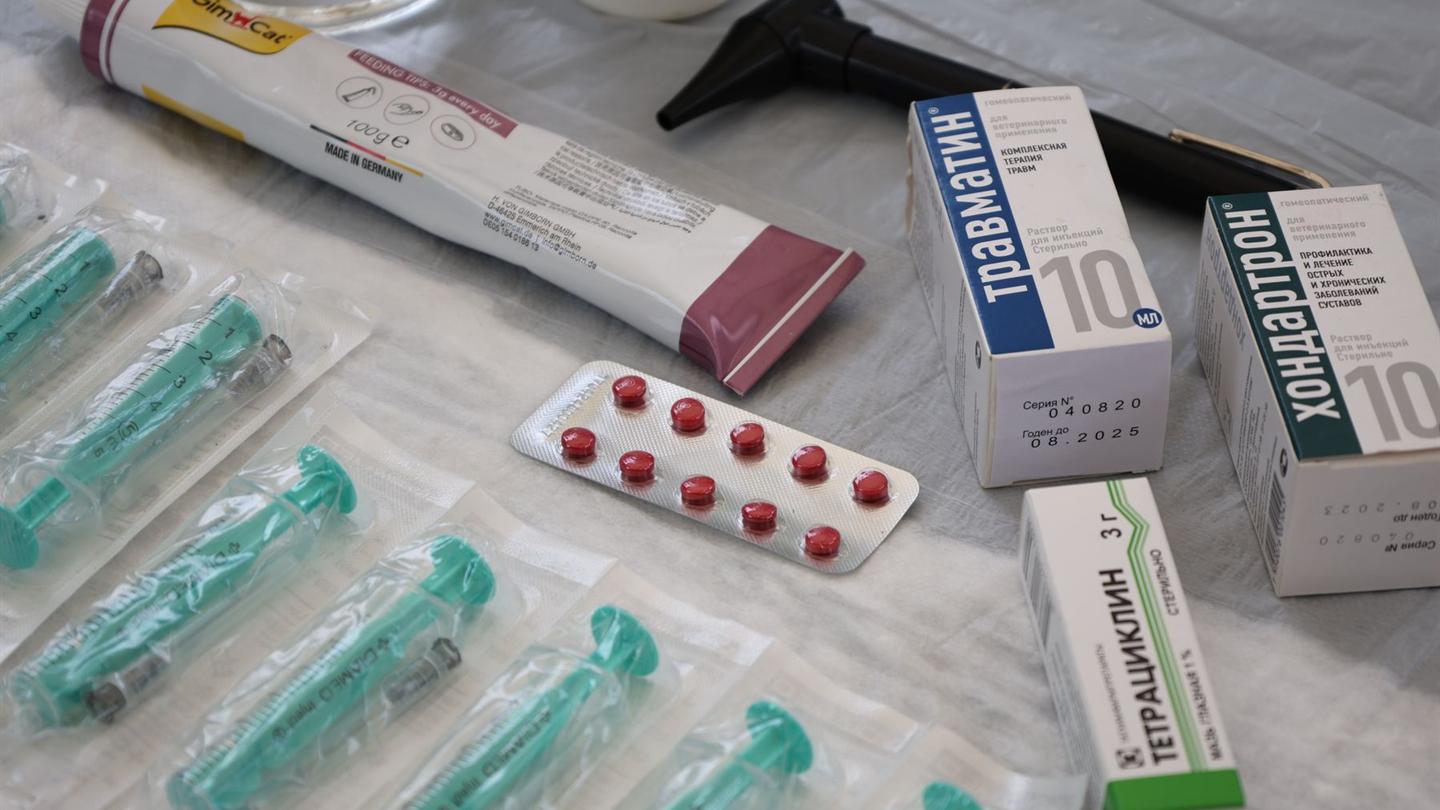
The custody record and the supply chain paperwork travel with the pallet
The Drug Supply Chain Security Act put a serialized identity on each saleable unit of prescription drug product and requires transaction information and a transaction statement to pass between authorized trading partners in interoperable electronic form, which in practice means EPCIS data. Transport is where that record breaks, and it breaks physically rather than digitally.
Aggregation is the usual casualty. Unit serials roll up into a case and cases into a pallet, so a receiving site scans one pallet label instead of a thousand vials. Break that pallet down at a cross-dock, restack it to fit another trailer, and the aggregation the receiver expects no longer matches what is on the floor. The scan fails, the shipment goes to quarantine, and someone spends a week reconciling freight that never got warm and was never damaged.
That is why so much of this product moves as an exclusive-use truckload under one seal. LTL touches terminals, and a terminal means the seal comes off and pallets get handled by people with no reason to know what a sterile barrier is. A numbered tamper-evident seal, written on the bill of lading and verified and re-recorded at every hand-off, is cheaper than proving later that nothing happened to a lot.
Security follows the same logic. Finished drug product is a targeted theft commodity, and theft here is not a recoverable loss. Once product has been outside documented custody its storage history is unknown, so it cannot lawfully re-enter the supply chain even when it turns up intact and still in the box. Recovery does not save the lot. That is why these tenders carry the no-stop rule out of the shipper, commonly the first two hundred miles or the first four hours, and no unattended trailer after that.
One excursion can condemn the lot, so the record beats the reassurance
Drug product carries a stability budget. The manufacturer proves through stability studies how long the product holds potency inside the labeled range, and every minute outside that range draws on a budget that never refills. Mean kinetic temperature exists for this problem: it converts a set of excursions into one calculated number, weighted toward heat the way degradation actually behaves, so a quality unit can judge cumulative exposure instead of an average that hides the spike.
The consequence at the door is blunt. An excursion does not mean the product is bad. It means the product is unusable until a quality unit dispositions it against the stability data, so the lot goes to quarantine and stops being inventory. When nobody can show what temperature it saw and for how long, the defensible decision is destruction. Frozen and thawed biologics are the underrated version of this, because they look untouched in the box and the aggregation is not reversible.
Prevention is procedural, not heroic. Trailer at set point before the doors open. Logger placed with the product, not taped near the door where it reads dock air. The unit running through breaks and through the layover, and nobody stopping a logger early to make a file read clean. If the box drifts, your quality contact gets the time-stamped data as soon as it is flagged, on the notification path your SOP names, because the disposition clock starts at notification and not at delivery. What we will not do is decide on your behalf that a drift was fine.
Devices and instruments fail on shock and on building access, not on temperature
A sterile barrier is packaging that is also the product's compliance. Puncture the pouch or crush a corner of the tray and the device inside is fully functional and completely unsellable, because sterility can no longer be claimed for it. That is a different loss than a dent, and it is why device freight gets loaded so nothing stacks on a tray and nothing rides against a strap edge.
Capital instruments fail through calibration instead. An analyzer, a centrifuge, a mass spectrometer or an imaging gantry can arrive intact to the eye and still fail acceptance testing because it was jarred hard enough to shift an optical bench or unseat a rotor, which turns a delivery into a field service visit and a requalification before the lab can run a single patient sample. Shock and tilt indicators on the crate make that argument decidable at the door instead of six weeks later. Air-ride keeps the argument from starting, and tilt-sensitive instruments do not get stood on end to make a load fit.
Then there is the building. A hospital does not keep a dock and a forklift waiting at four in the afternoon. Delivery there is an appointment with materials management, a dock the crate actually fits or a liftgate where there is no dock at all, an elevator reserved, a corridor route infection control will accept, clearances measured before the truck leaves, uncrating in place and packaging carried back out. A reference lab is the same problem in a smaller building with a tighter door. That is white glove and final mile work, and it is scheduled as its own operation rather than assumed.
Why this freight fits the way Dobie is built
Dobie coordinates transportation: a nationwide network of verified carriers, managed by dedicated logistics specialists. For life-science freight that model has one concrete advantage, which is that verification happens per load rather than per year. Active operating authority, current insurance with limits that match what a sealed trailer of finished drug product is genuinely worth, and a unit that can heat as well as cool for a controlled room temperature run are all checked the day that truck is assigned to your lane. A carrier that ran your lane clean last quarter is not evidence about the reefer showing up on Thursday, and this is one of the few commodities where that distinction decides whether a lot gets released or quarantined.
The desk that runs these loads is the internal team built for freight other than vehicles and machinery, with refrigerated, food and hazmat experience behind it. That is the relevant combination here, because the failure modes on this page live in exactly those three disciplines: a set point held and documented through a layover, a chain-of-custody and seal habit that regulated shippers already demand, and dry ice and reagents treated as the regulated materials they are instead of as packaging. One specialist owns the account, so the person who took your label profile is the same person reachable at nine at night when a receiver's quality group wants the logger download before it will sign.
Cross-border is home field. Dobie is based in the Rio Grande Valley, and the crossings, the customs brokers, the staging yards and the Mexico-side carriers are weekly business rather than an occasional project. Drug and device imports into Mexico run on the importer's own COFEPRIS registration and permits, and a temperature-controlled trailer waiting on a document at the bridge is burning reefer fuel with the profile still running and the logger still recording every minute of the delay. The move gets planned around that paperwork instead of arriving ahead of it.