In short
Most freight negotiates its delivery date. This freight cannot, in either direction. A show floor accepts trucks only during published move-in hours, the doors open to attendees on a printed date, and a booth that lands after the floor closes to freight does not get set at all. Move-out is just as fixed: you share a few hours with every other exhibitor in the hall, and freight still sitting when the carrier check-in deadline passes is force-freighted onto the show's designated carrier at rates you never agreed to. On top of that, the venue and its official contractor decide who is allowed to touch the load once it reaches the dock. An event shipment is really two shipments, in and out, planned as one job.
Two Deadlines, Both Published Months in Advance
The exhibitor service manual sets the schedule before you book a truck. It publishes the advance warehouse address and receiving window, the show site target dates and times, the move-in hours by booth section, the move-out start time, the carrier check-in deadline and the material handling rates you will be billed at. Those fields are the load plan. A quote built on transit days alone, without them, prices the wrong shipment.
Early is a failure here, which is not true in most freight. A truck that reaches the convention center a day before your booth's target time is not received, because the floor is built in a sequence that puts rigging and hanging signs first, booth structure second, furniture and graphics last. There is nowhere downtown to park a 53 foot trailer overnight while it waits, so an early arrival turns into detention, a driver layover and a rescheduled delivery, and all three land on your invoice.
Late is worse, and it is final. Freight that arrives after the floor closes to trucks does not roll to the next appointment, because there is no next appointment. The show opens with bare carpet where the booth should have been, and the money already committed to space, drayage, labor, travel and staff is spent anyway. That is why an event load is built backward from the target hour with the buffer inside the plan, instead of forward from the day the crates finish in the shop.
Advance Warehouse or Direct to Show Site
There are two legal doors into a show and they run on different clocks. The advance warehouse is operated by the show's general service contractor, typically receives from about thirty days before move-in and closes its free receiving window several business days before the floor opens, with a late surcharge on anything that lands after the cutoff. Freight received there is stored and then delivered to your booth space, so it is waiting when your installers arrive. It is the safer door for anything that can leave your dock a week or two early, and it is the only door that leaves you room to react when a crate does not show up.
Direct to show site means the trailer is accepted only during the date and hour assigned to your booth. Large shows publish a targeted move-in schedule booth by booth; smaller ones run non-targeted and first come first served, which is harder to plan against, not easier. In most large venues the driver does not go to the dock first. He checks in at an off site marshalling yard, takes a sequence number and waits to be called, and that wait is measured in hours. Under federal hours of service a driver gets 11 driving hours inside a 14 hour on duty window, and yard time burns the 14 hour clock whether the wheels turn or not. Dispatch a truck that arrives with two hours left on that clock and it dies in line with the venue in sight.
Both doors run on paperwork that exists nowhere else in freight. Every crate, case and carton carries a show label with the show name, the exhibitor name, the booth number and a piece count, because the warehouse and the floor crew match freight to a booth by label and not by bill of lading. An unlabeled crate becomes an orphan in a building holding thousands of them. Direct to site deliveries also need a certified weight ticket, since material handling is billed against weight and a shipment that arrives without one gets estimated, never in your favor. Send us the service manual and those requirements get confirmed with the assigned carrier before the trailer is loaded.
The Venue Decides Who Is Allowed to Touch the Load
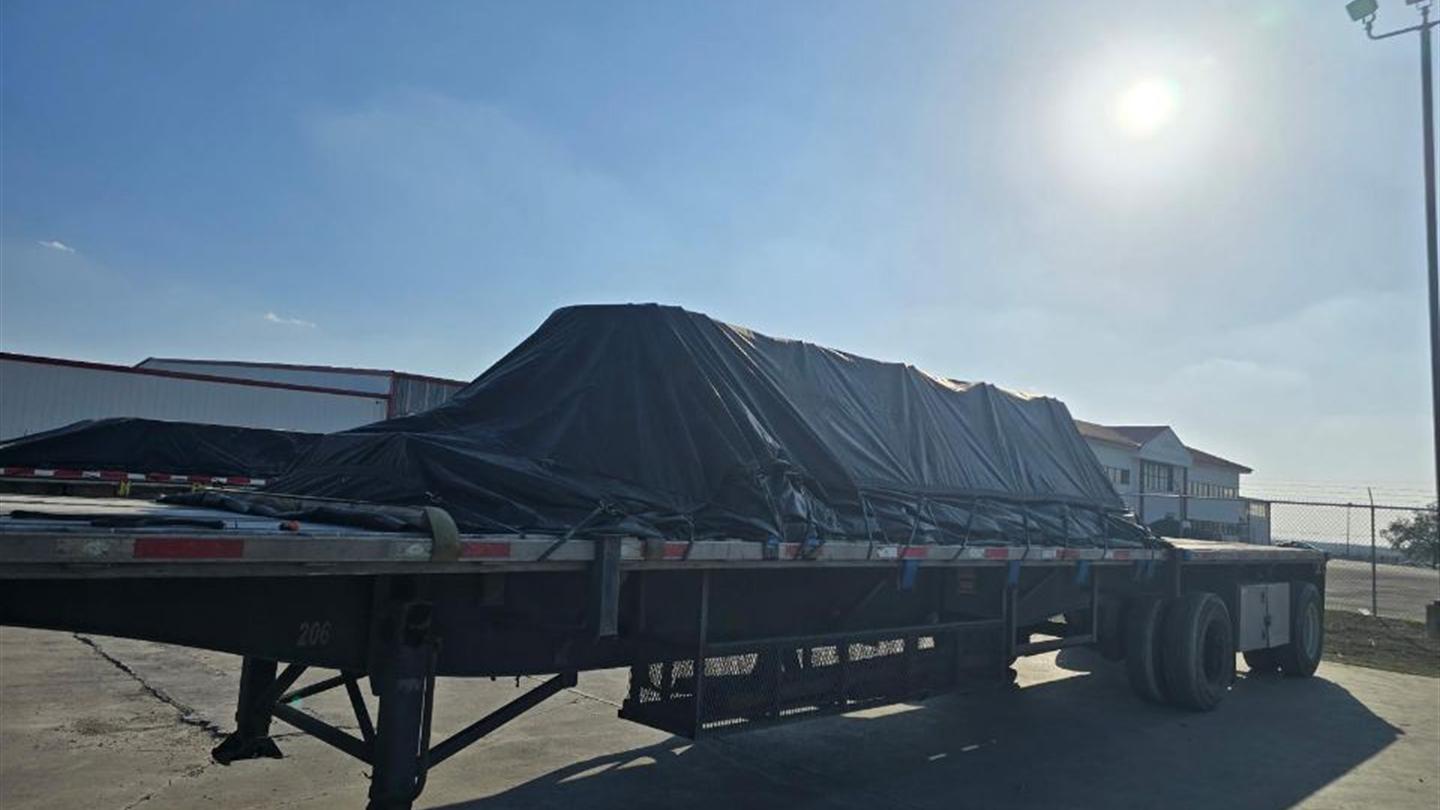
This is the operating rule that surprises shippers who come from retail or manufacturing freight. At most convention centers the official contractor's labor holds exclusive jurisdiction, under the venue's labor agreements, over unloading at the dock and moving freight to the booth. The driver hands off at the tailgate and stops there. He is not permitted to walk a case to your booth space and not permitted to help your crew uncrate. A carrier who does not know that argues at the dock and burns your target window doing it.
That handoff is billed as material handling, or drayage, charged by the hundredweight against a minimum, and the round trip charge normally covers the inbound move, storage of your empty crates during the show and the return of the empties and the outbound move. Rates split by how the freight arrives, crated and palletized against uncrated or special handling, and by whether the unload happens inside the contractor's straight time hours or outside them. Two identical crates can cost very different money on those two variables alone, which makes arrival time a cost decision and not only a schedule decision.
Some venues allow an exhibitor to hand carry small items through a designated door without contractor labor, subject to rules on size, on how many trips and on what vehicle may pull up. That exception is useful for a laptop case and worthless for a crated booth. Practically it means the delivery plan has to state where the carrier's responsibility ends, and your install crew or general contractor has to be standing there when it does. Venues and show organizers also set their own certificate of insurance and additional insured language for any carrier entering the property, which is settled with you before the truck is assigned rather than at the gate.
Move-Out Is Where Event Freight Actually Gets Lost
Move-out looks like the easy half and it is the half that produces the claims. When the show closes, the aisle carpet comes up and the contractor starts returning the empty crates that were stickered and stored during the show. They come back in the order the floor is worked, not in the order you would like, so your true ready time is unknown until it happens. Book a truck for a fixed hour and you either pay it to wait or lose it.
The document that controls the outbound leg is the material handling agreement, the outbound bill of lading, turned in at the service desk. Your carrier then has to physically check in at the show's yard before the published carrier check-in deadline. Miss that deadline and show management force-freights the shipment, which means your booth and your production gear leave on the show's designated carrier to a destination and at a price you did not choose, and you learn where it went afterward.
The way out of that is planning the return before the show opens. The outbound carrier is booked and named at the same time as the inbound leg, the check-in deadline sits on the dispatch sheet, and the driver is staged near the venue instead of departing from another city that morning. When the gap between this move-out and the next venue's move-in is shorter than one driver can legally cover, that leg gets teamed rather than hoped over. It is also the moment to decide whether the freight goes to the next show, into storage or back to your dock, because those are three different trucks.
How Exhibit and Production Gear Fails in Transit, and What Prevents It
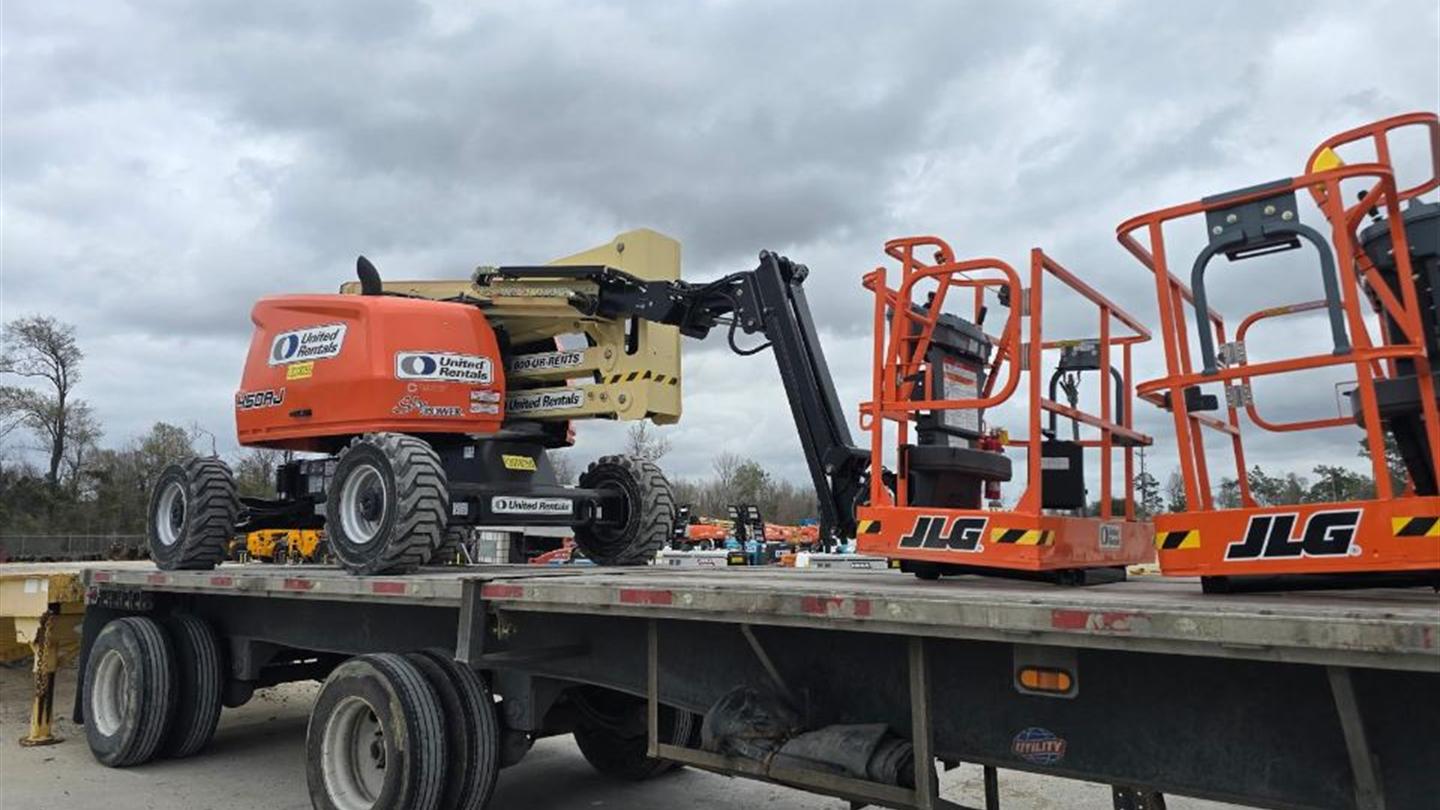
Production equipment does not travel on pallets, it travels on casters. A rolling road case is built to be pushed, so an unrestrained case in a moving trailer is a heavy object on wheels. Cases go tight against the nose, strapped through the handles or over the top to e-track, and decked so nothing rolls when the trailer brakes. Federal securement rules give the floor to work from: enough tiedowns for the length and weight of each article, and an aggregate working load limit of at least half the weight of the cargo being secured. The failure mode is not subtle. A case that gets loose takes the corner off the case beside it and puts the console inside out of alignment before the hall even has a floor.
Electronics fail a second way that has nothing to do with impact. Gear that spent a winter night in an unheated trailer and gets rolled straight into a warm, humid hall pulls condensation onto boards and connectors, and powering it up wet is how an LED processor or an amplifier dies at load-in. Crews acclimate cases before they open them, and that costs time you have to have. Building a schedule that puts the freight on the floor with an hour in hand, rather than at the last minute, is part of the transport plan.
Booth structure fails from crush and from moisture. Custom exhibit crates are built to be forklifted and to be stacked only the way the builder rated them, and a crate loaded under a heavier one it was never meant to carry arrives with a bowed lid and a cracked panel inside. Large format graphics are worse, because the damage is cosmetic and cosmetic is fatal. A tension fabric with a crease, a mounted print with a scuff, a laminate that took an impression from something pressed against it in a hot trailer: none of it goes on the wall, and there is no time to reprint before the doors open. Graphics ride in their tubes and crates, flat or upright as built, and never as the flat surface everything else gets set on.
Then there is the freight that is regulated rather than fragile. Pyrotechnics and effects product are explosives and move under their own authorization, placarding and routing rules, not in the booth trailer. Compressed gas cylinders for effects, lithium battery packs above the exception limits, generator sets shipped with fuel in the tank, dry ice under a pallet of refrigerated samples and the adhesives, aerosols and cleaners that live in a tool crate all carry shipping rules of their own. Declare them at booking, not at pickup, so the equipment, the paperwork and the carrier's authority match the load. There is an internal team here for freight that is not vehicles or machinery, with experience in refrigerated, food and hazardous materials, which is exactly the mix a show floor generates.
Finally, event gear gets stolen for the same reason it is expensive. Cameras, lenses, wireless packages, LED tiles and lighting fixtures resell fast and fit in a car. Loads that warrant it are dispatched with the seal number recorded on the bill of lading, with no unsecured stop in the first hours out of the shop, and on a team when the value and the calendar both argue for keeping the trailer rolling instead of parked. A replacement cannot be sourced inside a move-in window, which is the real reason the standard is higher here than the value of the box suggests.
Why Dobie Fits a Show Calendar
Dobie coordinates transportation: a vetted carrier network managed by dedicated logistics specialists. On a show calendar that matters in a specific way. The carrier assigned to your load is verified the day it is assigned, not once a year on a file review, with operating authority in force, cargo insurance current with limits that correspond to the load, and equipment that corresponds to the assignment, including the liftgate or ramp a ballroom delivery actually needs and the e-track a trailer of road cases actually needs. The freight travels covered by the carrier's cargo insurance, with condition documented at pickup and at delivery. That record is what a cracked crate or a short piece count is argued from while the booth still has to stand up in the next city.
One account gets one dedicated specialist, across 50 states, out of a nationwide network of vetted carriers, with a 98% on-time record and 24/7 support behind it. Event freight changes shape between stops, and that is the point of having one person carrying the calendar: a full trailer of booth structure into the advance warehouse for the big show, a partial for one crate and four cases at a regional event, an expedited run when a graphic gets reprinted three days out, white glove and final mile for a hotel ballroom with no dock, and cross-docking or warehousing arranged through the network when properties have three weeks between venues. The specialist who booked the inbound leg is the one who knows the check-in deadline on the way out.
The Rio Grande Valley base is the other reason. Shows and activations south of the border, and exhibit properties or sample product built in Mexico for a U.S. show floor, both put a border crossing inside a fixed move-in window. Crossings, customs brokers, maneuvering yards and Mexican carriers are weekly business for this team in the South Texas corridor, so the crossing is planned as part of the move-in schedule instead of discovered inside it. Gear that enters a country temporarily and must come back out needs a temporary import instrument rather than a normal entry, and who prepares it and who is named on it gets settled with you and your broker before the freight leaves, because that is the item most often discovered at the bridge.