Heavy Equipment Transport in Arizona
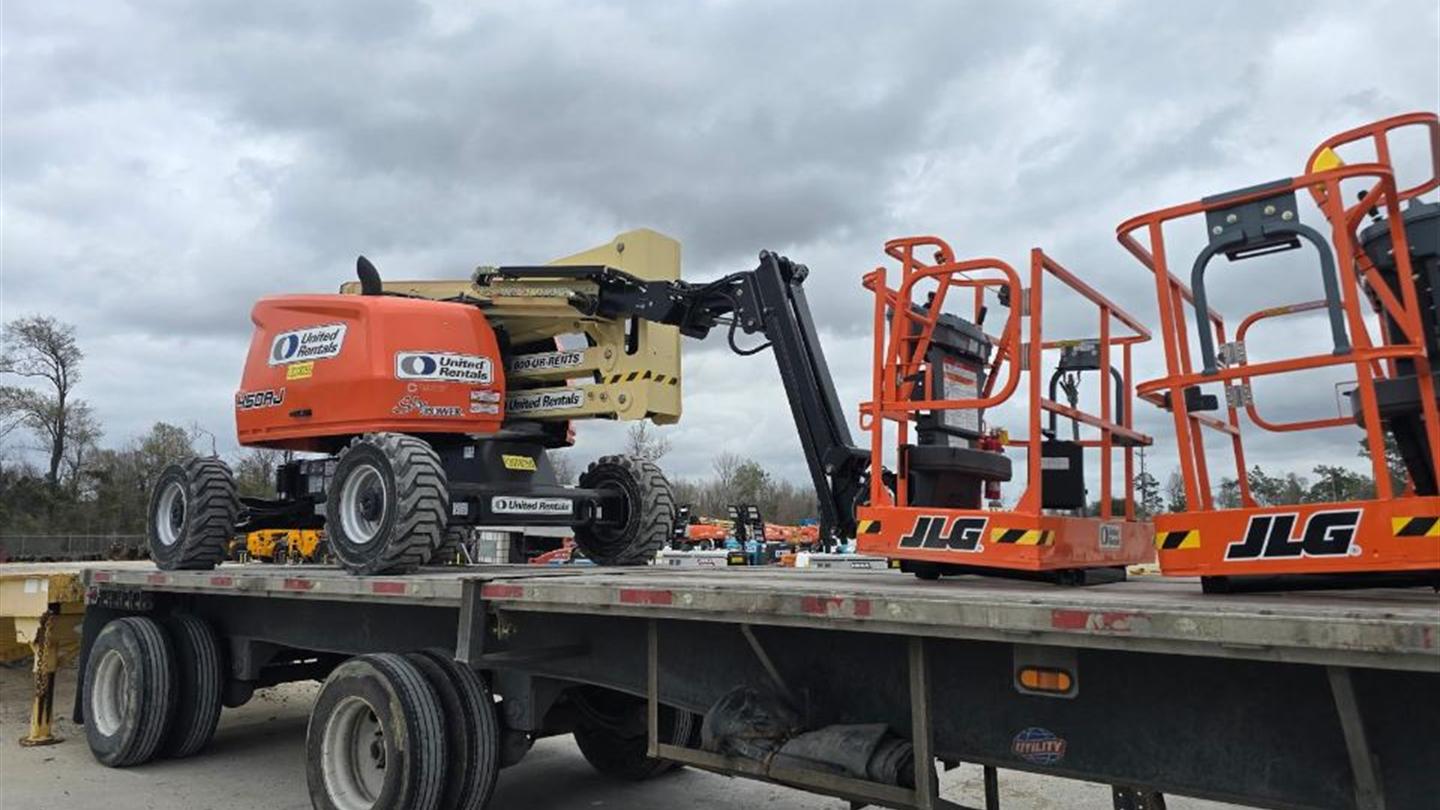
Excavators, dozers, loaders and tractors moved across Arizona on the trailer each machine needs, with the state's oversize permits arranged before pickup.
Tell us about your shipment in 60 seconds
Your request is in the queue. Our team will text you in under 10 minutes during business hours with your custom quote.
Here is what we received. Our team reviews it and replies in under 10 minutes during business hours with your quote.
- PICKUP LOCATION
- DELIVERY LOCATION
- EQUIPMENT TYPE
- MAKE & MODEL
- WEIGHT (LBS)
- DIMENSIONS
- FULL NAME
- PHONE NUMBER
We'll text you at in under 10 minutes during business hours.
Save our number: +1 (888) 354-7402
Every carrier is vetted for operating authority and insurance, and we check the certificate before every dispatch, not once a year. USDOT 3411782 · MC 1100274
At a glance
Shipping in Arizona at a glance
The facts that decide how a load moves here. Regulatory figures link to the official page they come from.
- I-8
- I-10
- I-17
- I-19
- I-40
- Nogales (Mariposa)
- San Luis
- Douglas
How freight moves in Arizona
Freight in Arizona runs on I-8, I-10, I-17, I-19 and I-40. Its crossings at Nogales (Mariposa), San Luis and Douglas connect it to Mexico. The state's economy leans on copper and mining, aerospace and defense, semiconductors and electronics and winter produce and agriculture, and that is most of what moves on its roads.
Rules of the road
What shapes a move in Arizona
- When oversize loads can travel
Arizona loads wider than 10 feet, taller than 14 feet 6 inches, longer than 120 feet or heavier than 250,000 pounds must travel between half an hour before sunrise and half an hour after sunset, except on routes the state authorizes for night and weekend moves, and may not travel on New Year's Day, Memorial Day, Independence Day, Labor Day, Thanksgiving Day or Christmas Day. Source ↗
- Escort vehicles
Arizona sets the number of escort vehicles on each permit from the load's dimensions and route, and for moves between 3:00 a.m. and half an hour before sunrise it requires a rear escort for loads over 11 to 14 feet wide, front and rear escorts for loads over 14 to 16 feet wide, and a front escort with a height pole for loads over 15 feet tall. Source ↗
- Seasonal conditions
Arizona's monsoon season runs from June 15 to September 30 and brings sudden dust storms, heavy downpours and flash flooding that can cut visibility and close desert highways.
Summer temperatures in the low desert around Phoenix and Yuma regularly exceed 100 degrees Fahrenheit, while winter snow can slow or close I-40 and I-17 near Flagstaff.
Rules change. The specialist on your move checks the current ones for your exact route before anything is booked.
Permits by state
If the route leaves Arizona
Every state a load crosses issues its own oversize permit. These are the offices next door, closest first, with their legal limits.
California
Caltrans · California Department of Transportation
Legal height: 14 ft (4.27 m)
Legal width: 8 ft 6 in (2.59 m)
Utah
UDOT · Utah Department of Transportation, Motor Carrier Division
Legal height: 14 ft (4.27 m)
Legal width: 8 ft 6 in (2.59 m)
New Mexico
NMDOT · New Mexico Department of Transportation
Legal height: 14 ft (4.27 m)
Legal width: 8 ft 6 in (2.59 m)
Nevada
NDOT · Nevada Department of Transportation, Over Dimensional Vehicle Permits
Legal height: 14 ft (4.27 m)
Legal width: 8 ft 6 in (2.59 m)
Cities
Heavy Equipment Transport by city in Arizona
These are the busiest pickup points. Any address in Arizona works, including the towns between them.
MesaMaricopa County
Mesa, in the East Valley of the Phoenix metro, is served by US-60 and the Loop 101 and Loop 202 freeways and has a large aerospace and manufacturing base.
- US-60
- Loop 101
- Loop 202
NogalesSanta Cruz County
Nogales is the southern end of I-19 and the site of the Mariposa port of entry, Arizona's busiest commercial truck crossing, where produce and manufactured goods enter from Sonora.
- I-19
- SR-189
PhoenixMaricopa County
Phoenix is Arizona's capital and largest city, a major distribution center on the I-10 corridor between Southern California and Texas, ringed by the Loop 101, Loop 202 and Loop 303 freeways.
- I-10
- I-17
- US-60
- Loop 101
TucsonPima County
Tucson sits on I-10 between Phoenix and New Mexico and at the I-19 junction that runs south to Nogales, giving trucks a direct interstate route to the Mexican border crossings.
- I-10
- I-19
Casa GrandePinal County
Casa Grande lies at the I-10 and I-8 junction in Pinal County between Phoenix and Tucson, and has grown as a warehouse and manufacturing location.
- I-10
- I-8
- SR-87
DouglasCochise County
Douglas faces Agua Prieta, Sonora, in southeast Arizona on US-191 and SR-80 and has a commercial port of entry for truck traffic.
- US-191
- SR-80
FlagstaffCoconino County
Flagstaff is where I-17 meets I-40 in northern Arizona, on a main east-west rail corridor, and winter snow can slow or close both interstates.
- I-40
- I-17
- US-89
YumaYuma County
Yuma sits on I-8 near the California line and the San Luis crossing, and its winter vegetable harvest generates heavy refrigerated truck traffic.
- I-8
- US-95
Heavy Equipment Transport
Trailers and machines
RGN (removable gooseneck)
The neck detaches so tracked and wheeled machines drive on at deck level.
Lowboy
A deck close to the ground for tall machines that would break the legal height on a flatbed.
Step deck
For loaders, tractors and skid steers that clear the height limit on its lower deck.
Flatbed
For attachments, smaller machines and anything loaded by forklift or crane.
Questions about shipping in Arizona
Who issues oversize permits in Arizona?
The Arizona Department of Transportation (ADOT). A load over the legal limits (13 ft 6 in (14 ft on the designated highway system) tall, 8 ft 6 in (2.59 m) wide) needs its permit for the exact route, and it is arranged before pickup so the machine does not wait at the yard.
When can an oversize load travel in Arizona?
Arizona loads wider than 10 feet, taller than 14 feet 6 inches, longer than 120 feet or heavier than 250,000 pounds must travel between half an hour before sunrise and half an hour after sunset, except on routes the state authorizes for night and weekend moves, and may not travel on New Year's Day, Memorial Day, Independence Day, Labor Day, Thanksgiving Day or Christmas Day.
When does Arizona require escort vehicles?
Arizona sets the number of escort vehicles on each permit from the load's dimensions and route, and for moves between 3:00 a.m. and half an hour before sunrise it requires a rear escort for loads over 11 to 14 feet wide, front and rear escorts for loads over 14 to 16 feet wide, and a front escort with a height pole for loads over 15 feet tall.
Are there seasonal restrictions in Arizona?
Arizona's monsoon season runs from June 15 to September 30 and brings sudden dust storms, heavy downpours and flash flooding that can cut visibility and close desert highways. Summer temperatures in the low desert around Phoenix and Yuma regularly exceed 100 degrees Fahrenheit, while winter snow can slow or close I-40 and I-17 near Flagstaff.
Which trailer does my machine need?
The machine decides: its weight, height, width and whether it drives on. Tracked machines usually ride an RGN or a lowboy, loaders and tractors a step deck, attachments a flatbed. With the make, model and dimensions we tell you which before we quote.
How fast do you reply to a quote request?
In under 10 minutes during business hours, by text or phone for a move inside the U.S., and on WhatsApp for one going to Mexico.
Get a Free, No-Obligation Quote Today
Our logistics specialists are standing by. We reply in under 10 minutes.
Every carrier is vetted for operating authority and insurance, and we check the certificate before every dispatch, not once a year. USDOT 3411782 · MC 1100274