Agriculture Freight Requirements
What the commodity demands before a truck is ever assigned, and what that means on the load.
Specifications
Ag Load Requirements at a Glance
What the commodity demands before a truck is ever assigned, and what that means on the load.
| Requirement | The specification | What it means for the load |
|---|---|---|
| Temperature | Pulp temperature at loading is the measurement, not the setpoint. Warm season crops take chilling injury below roughly 50 degrees; leafy and cole crops run just above freezing at high humidity | Product is precooled before loading, the unit runs continuous air, and the setpoint comes from the commodity sheet, not from habit |
| Documentation | Hazmat shipping papers with UN number, proper shipping name, class and packing group, plus emergency response information and a 24 hour emergency number; seed tags; product labels; scale tickets; for imports, prior notice and the agricultural inspection | Papers travel where the rule requires them, and the signed delivery paperwork comes back with the POD |
| Delivery window | Inputs are staged against a planting date the weather sets; harvest loads are booked against a cut and cool schedule that moves with the field | Dispatch is built backward from the date the ground or the cooler needs it, with the season's repeat lanes covered ahead of the surge |
| Handling | One ton bulk bags lift by all four loops, do not stack unless rated, and slump if they are not blocked; bales, pipe and pallets each carry their own securement math | General cargo securement applies: aggregate working load limit of at least half the cargo weight, tiedown count set by article length and weight |
| Equipment | Reefer for produce and freeze sensitive liquids, tarped flatbed for bales and pipe, clean dry van for seed, chemistry and packaging, hopper bottoms for bulk grain | Equipment is matched to the commodity and verified against the assignment before dispatch, trailer condition included |
| Segregation | Poison class material may not travel in the same vehicle with foodstuffs, feed or edible material unless packaged and separated as the regulation requires | Chemistry and feed do not share a trailer, and treated seed never precedes grain or feed without a documented washout |
| Sanitary condition | Produce, feed and feed ingredients fall under sanitary transportation requirements: written temperature and sanitary specs from the shipper, prior cargo and washout information available from the carrier on request | The requirement is confirmed in writing before dispatch, and the records that prove it come back with the load |
| Cross-border | Produce crossing at Pharr has to stay inside the cold chain through the broker, the yard and the northbound handoff, and some fruit fly host commodities require cold treatment | The crossing is scheduled inside the delivery window as one plan, not as a separate project that starts at the bridge |
The equipment
The Crop Calendar Picks the Trailer
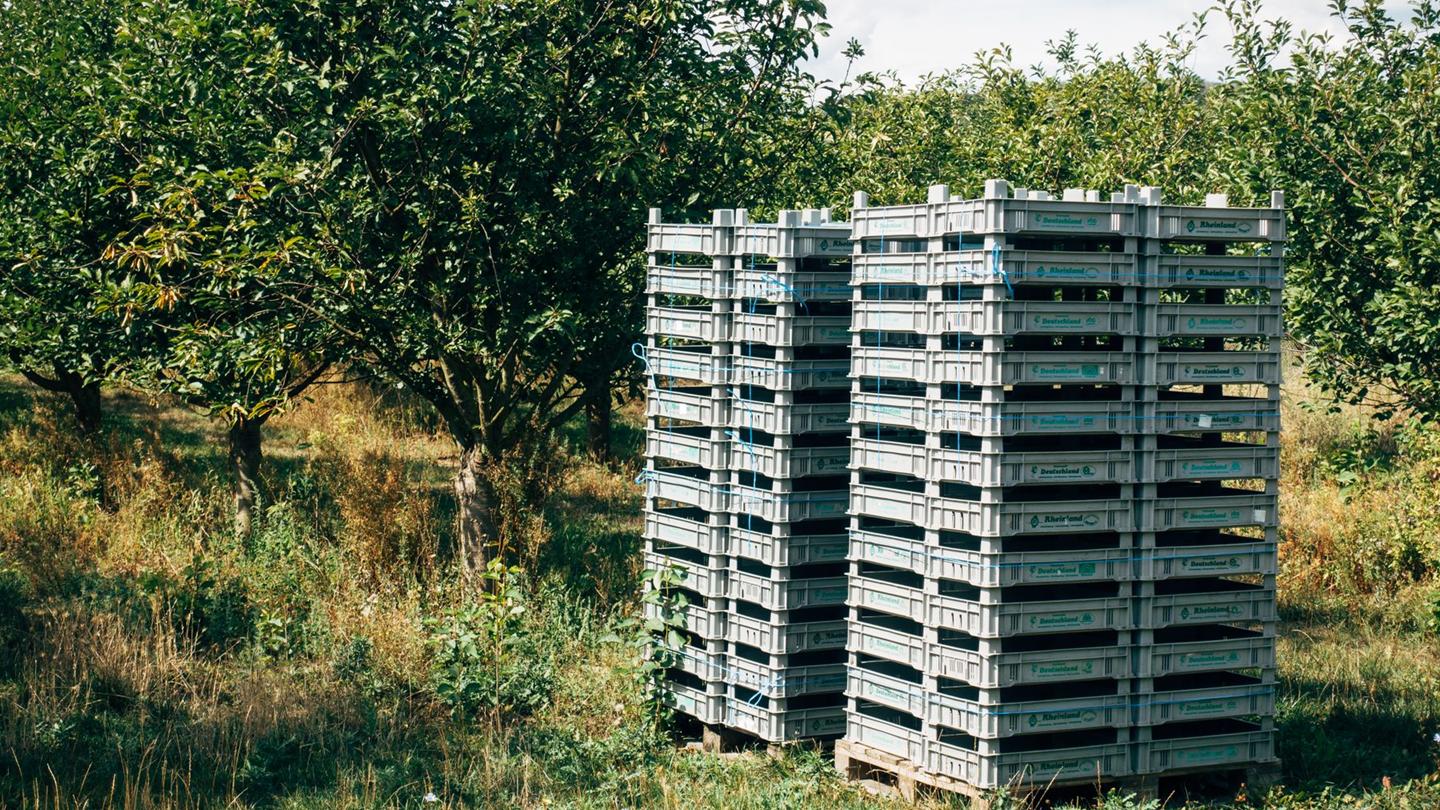
Ag freight does not stay in one mode for a season. Field packed produce runs refrigerated with continuous air and a commodity specific setpoint, and the same equipment protects liquid fertilizer and some formulations from freezing in winter, because a product that salts out or separates in the cold is a claim even though it never got warm. Bales, irrigation pipe and side loaded bagged product ride tarped flatbeds, where the tarp has to shed water without sealing moisture into hay. Seed, packaging and much of the chemical volume go dry van, where a clean, dry, odor free box with a documented prior load matters more than deck space. Bulk grain moves in hopper bottoms, and export volume gets built into containers for the port. When the planter is waiting or the cooler is filling faster than it empties, urgent transport is a defined service here with 24/7 coverage behind it. The commodity picks the trailer first, then price.
Get a Free, No-Obligation Quote Today
A logistics specialist reviews your lanes and comes back with pricing and capacity. Support runs 24/7.
Every carrier is vetted for operating authority and insurance, and we check the certificate before every dispatch, not once a year. USDOT 3411782 · MC 1100274